Blog
The Cost of Selling
The invisible tax in every B2B order, made exact. The pains of complex commerce and how to cut each one.
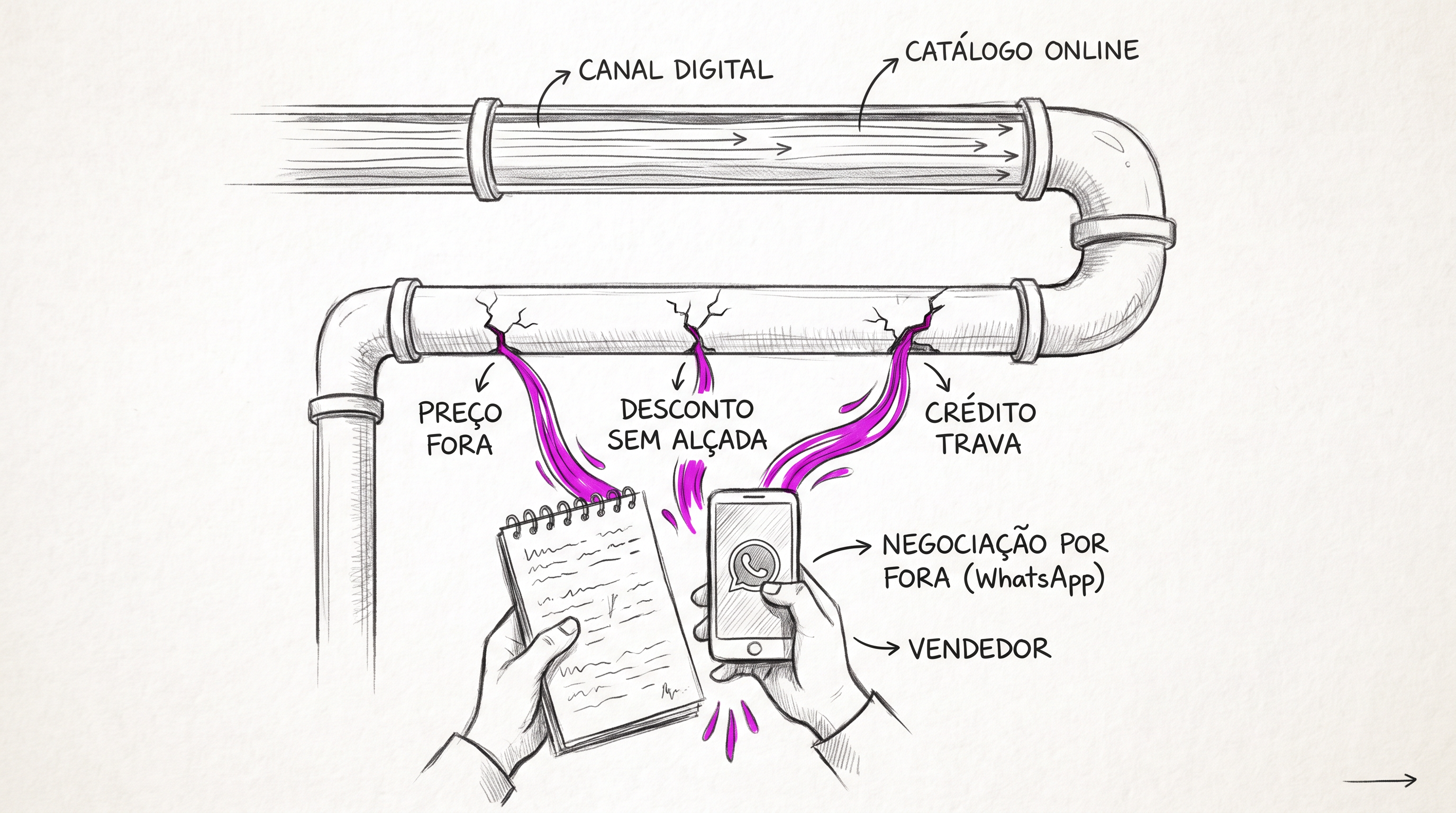
Your digital channel is live, but the deal keeps slipping through the cracks
You digitized the channel, but pricing, discounts, and credit still slip out of control. The bottleneck shifted: from lack of a channel to lack of governance in the deal.
Read →
The 5 value layers of a digital platform
B2B platform value is built in layers: from digital presence to governed commercial decisions, orchestration, secure AI, and services. Each layer enables the next.
Read →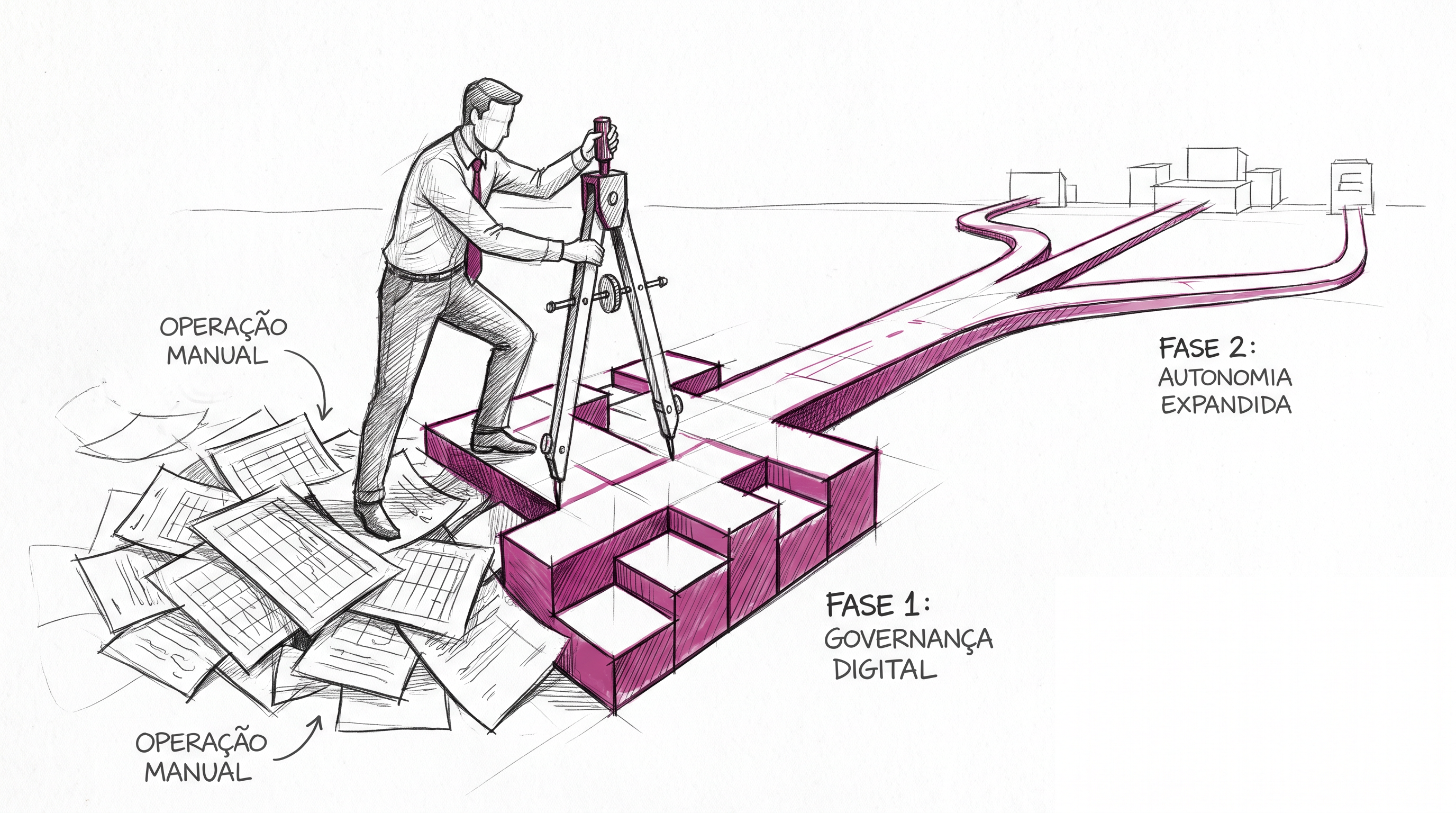
Two-Phase Digital Transformation: Sales as the Adoption Engine
B2B digital adoption accelerates when technology removes operational work from sales reps without weakening their customer relationships. Buyer and AI autonomy should follow governed pricing, credit, inventory, and approval rules.
Read →
Digital Sales Platform vs. E-commerce: When the Storefront Can’t Close the Deal
An online store captures orders. A B2B digital sales platform also applies commercial rules and supports valid negotiations for each account.
Read →
See-Try-Buy-Fly: How Customer Value Grows With Every Cycle
When every reorder requires rebuilding the deal, the customer comes back—and so does the cost to serve. See-Try-Buy-Fly shows how to turn repeat business into compounding value.
Read →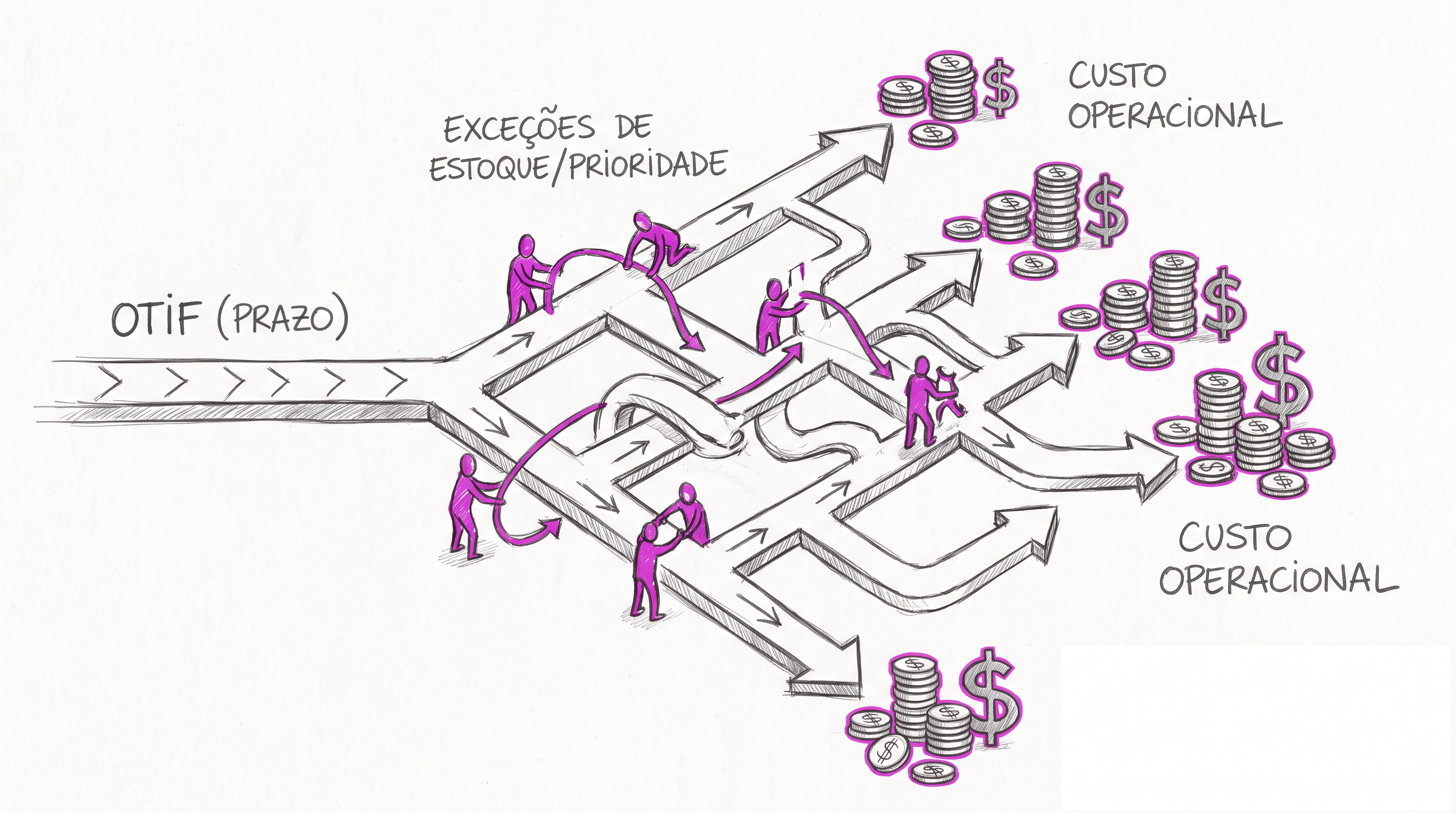
When Every New Order Ships on Time but Raises Operating Costs
A plant can maintain OTIF while its unit cost per order keeps rising. Without governance, AI agents may simply execute customer-specific exceptions faster.
Read →
The AI Agent Is in the ERP, but the Implementation Never Ends
Connecting an AI agent to the ERP does not finish the project when rules, approval authority, and exceptions remain implicit. For the CTO, decision governance becomes the central challenge.
Read →
Is Your Partner Integration Moving Fast Before It’s Ready to Scale?
Going live does not mean a partner integration is ready to be replicated. Early governance and technical support make speed more sustainable.
Read →
Trading Desk: Incremental Revenue from Inactive Customers
A Trading Desk can turn inactive B2B accounts into executable opportunities while respecting pricing, inventory, commercial terms, and branch ownership.
Read →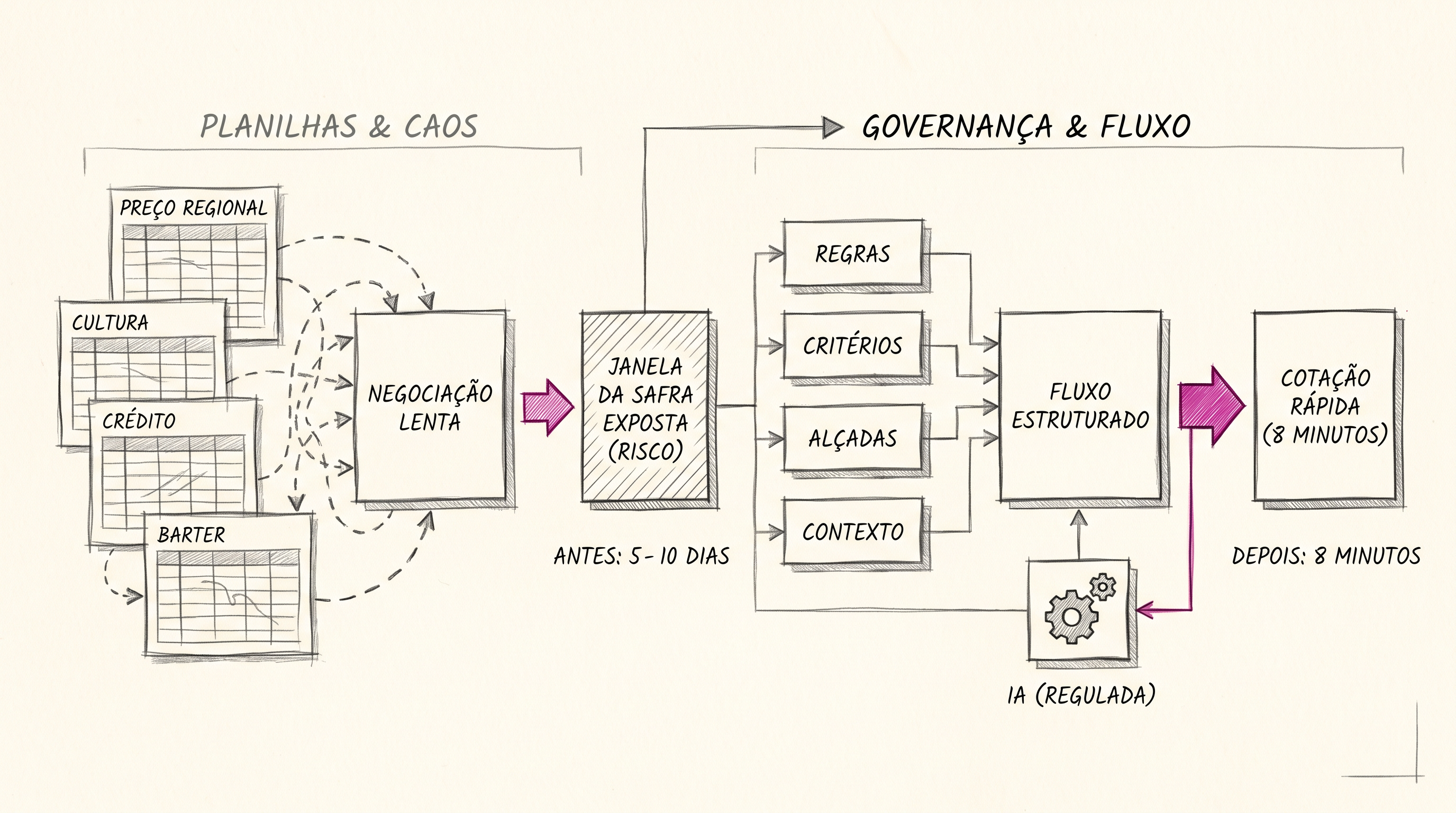
When Negotiations Live in Spreadsheets, the Crop-Season Window Is at Risk
Low digital adoption in B2B agriculture is driven less by a lack of channels than by weak governance over commercial decisions. Before automating, companies must structure rules, criteria, approval authority, and context.
Read →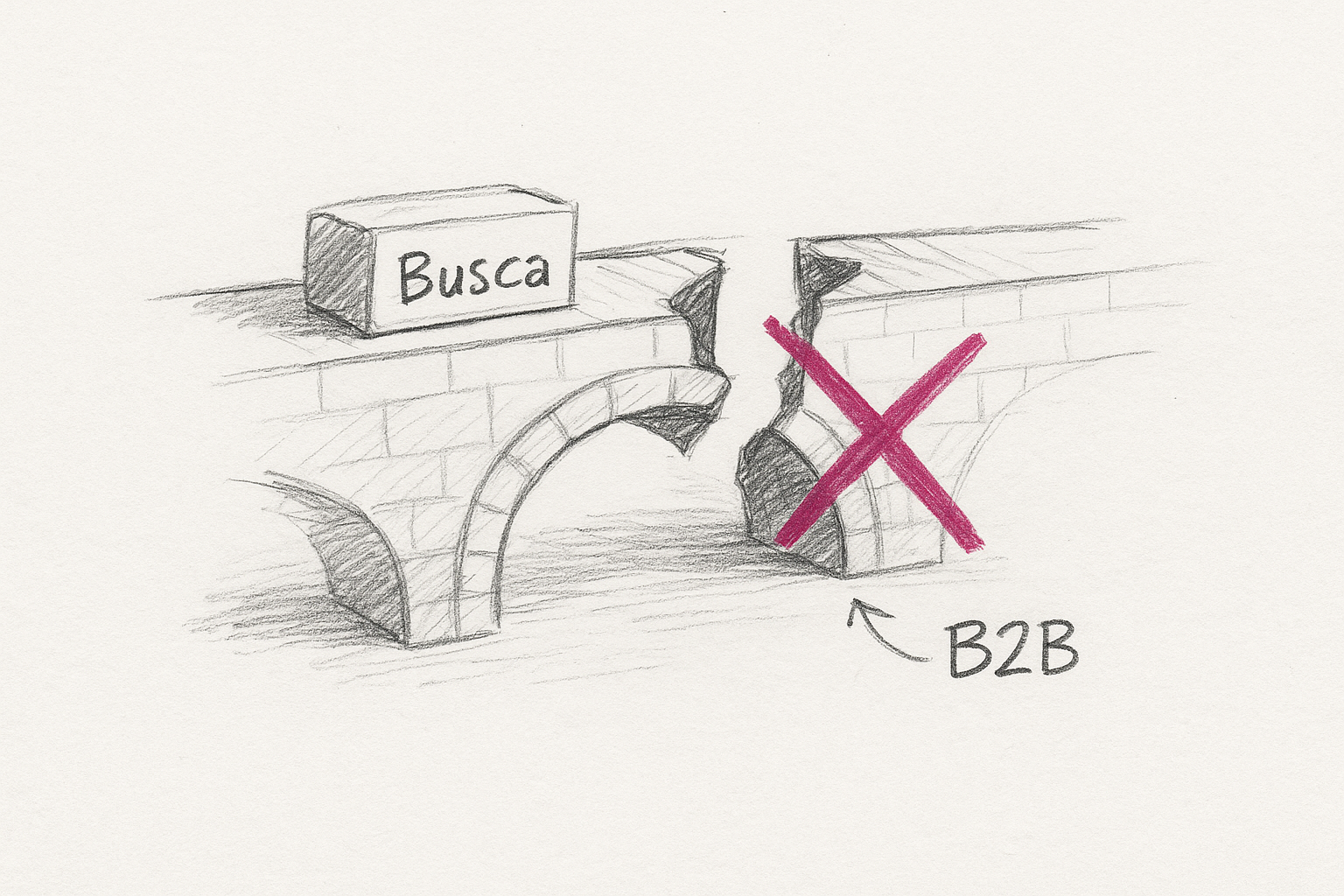
When B2B Search Works Technically but Fails the Business Case
A search engine integration does not guarantee an economically viable B2B operation. Product catalogs, pricing, credit, account permissions, and exceptions must also shape the decision.
Read →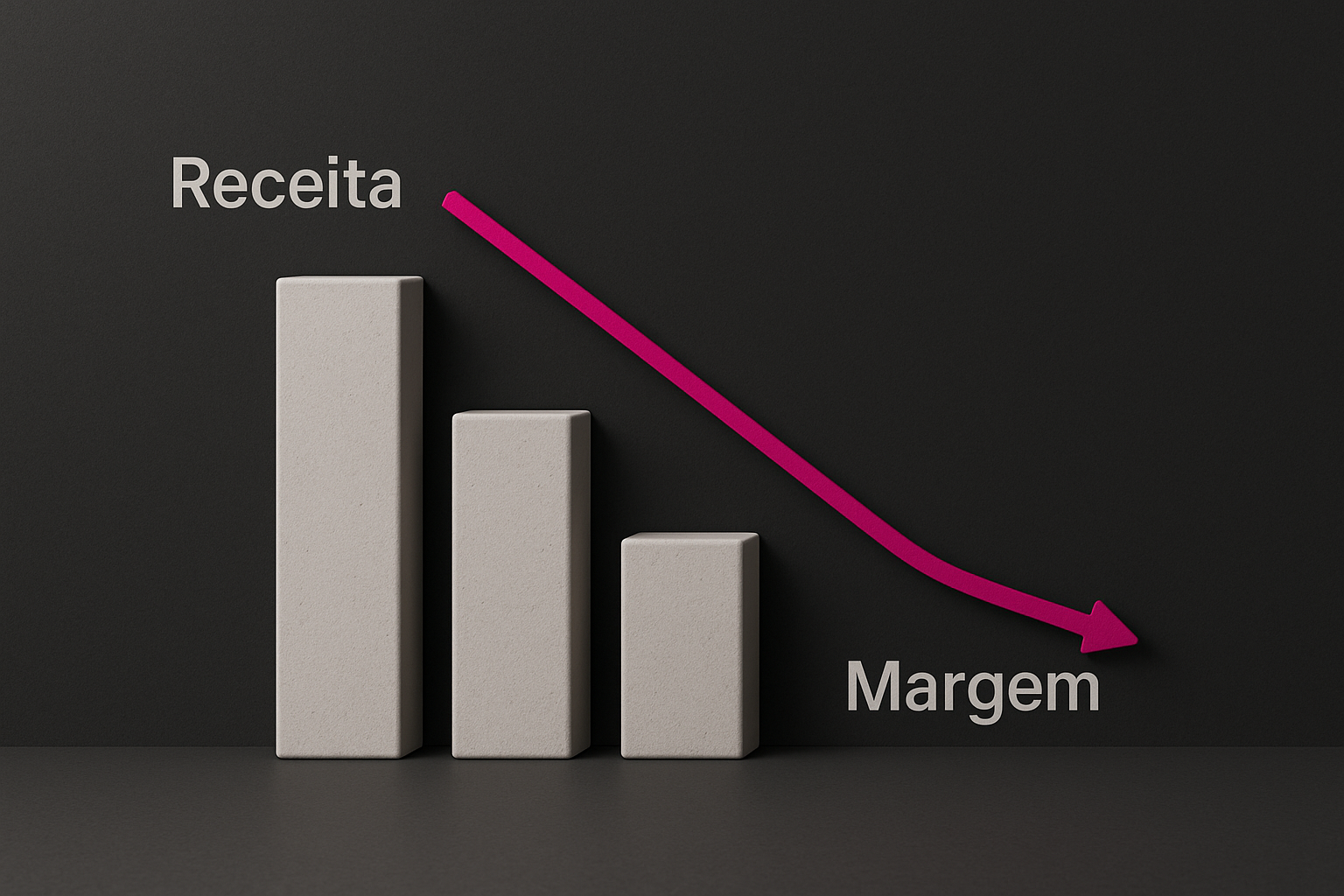
Your Manufacturing Revenue Is Growing, but Margins Aren’t
Automating manual workflows can accelerate errors and exceptions. To recover margin, manufacturers must structure commercial decisions before delegating execution to AI agents.
Read →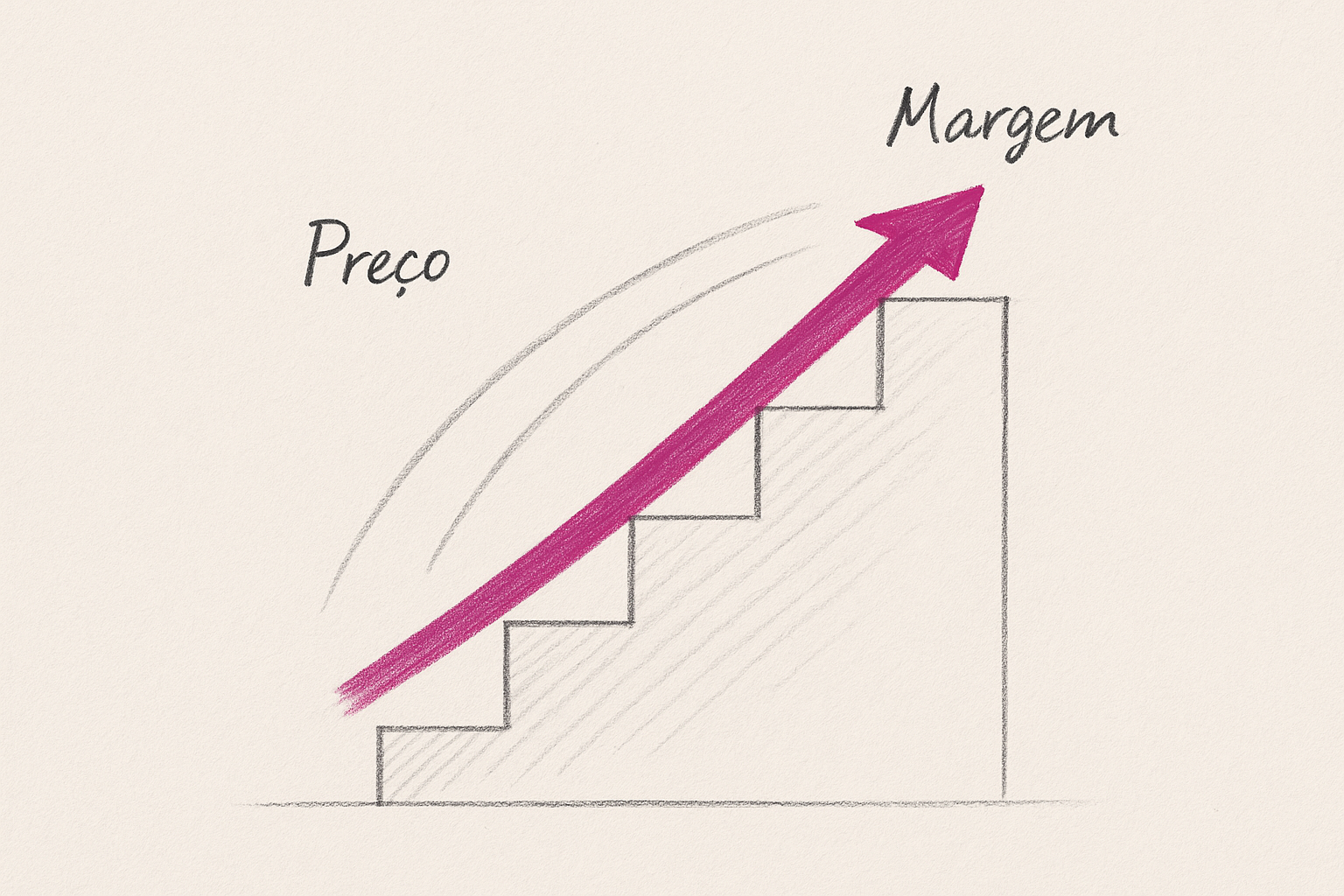
Growing Digital Conversion Without Sacrificing Margin Is Still a B2B Distribution Challenge
For B2B distributors, more orders are not enough when promotions make margins unpredictable. The LI-043 case shows how contextual terms and preapproved rules can increase conversion without additional media spend.
Read →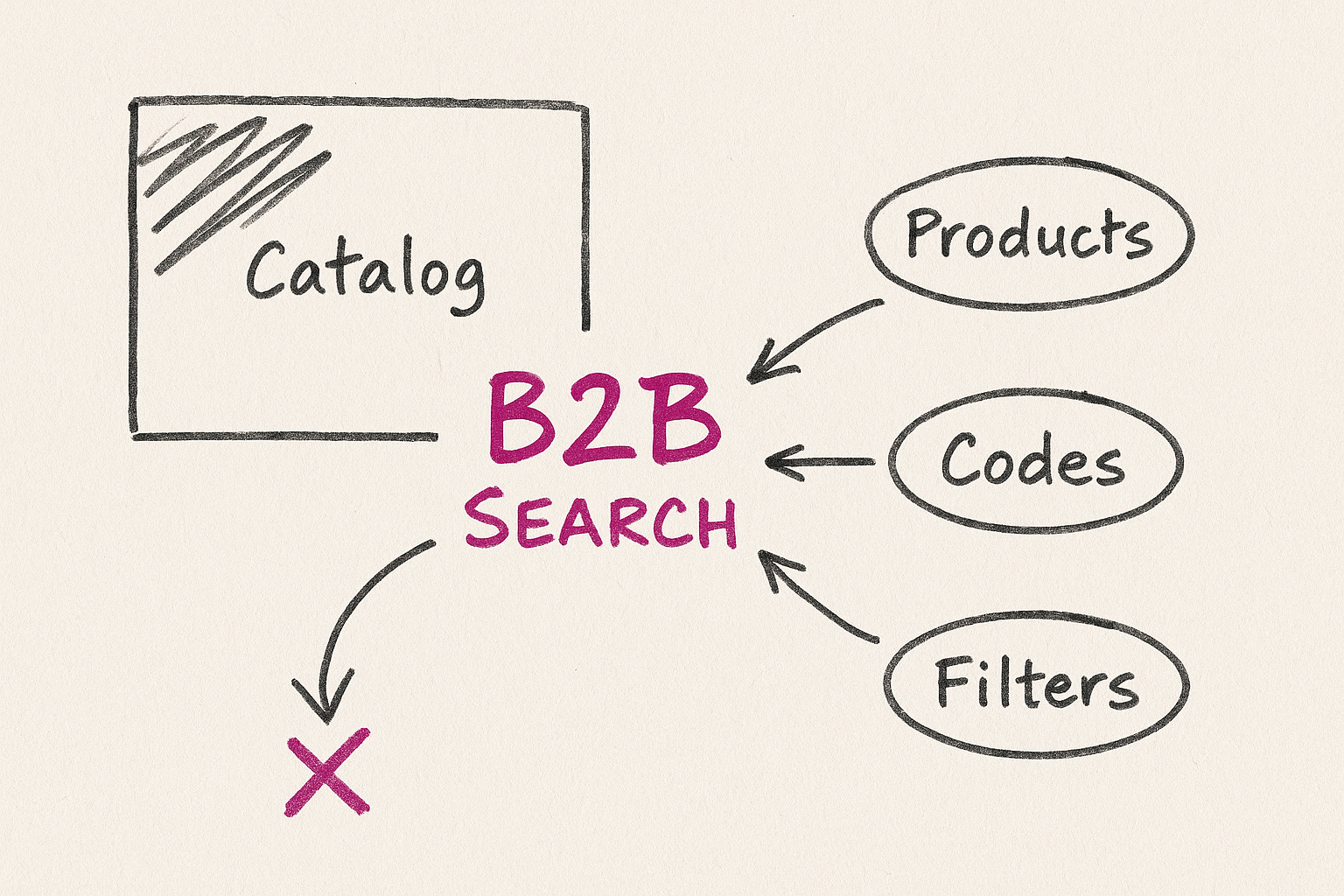
When the Catalog Breaks, B2B Search Stops Supporting Sales
B2B search becomes unreliable when product data, SKUs, and fitment filters are inconsistent. A better interface may hide the issue, but it cannot fix the underlying structure.
Read →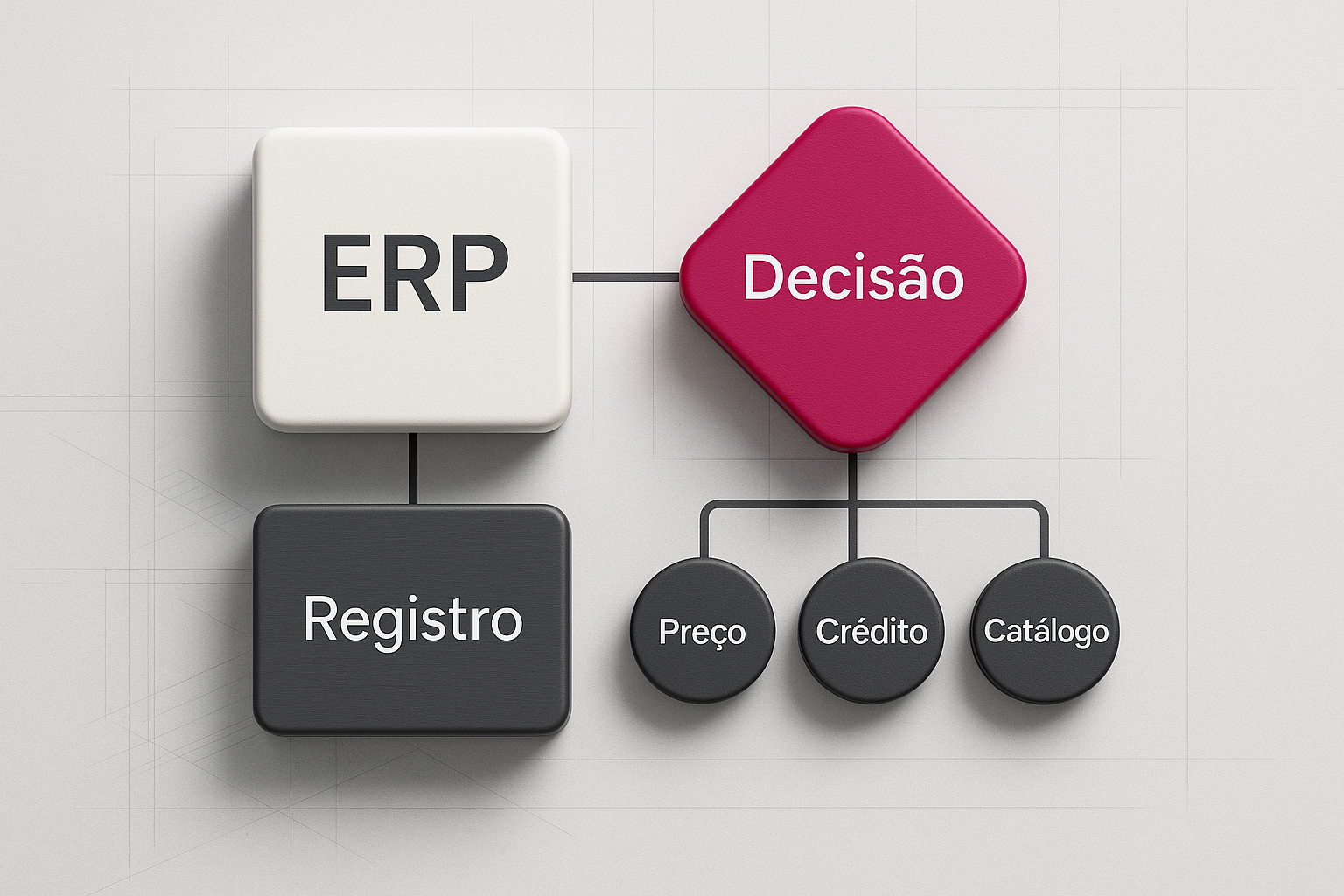
When Every Business Unit Decides Differently, ERP Becomes a System of Record—not Control
Local ERP systems can keep executing orders while a central orchestration layer determines which commercial terms apply to each customer and context.
Read →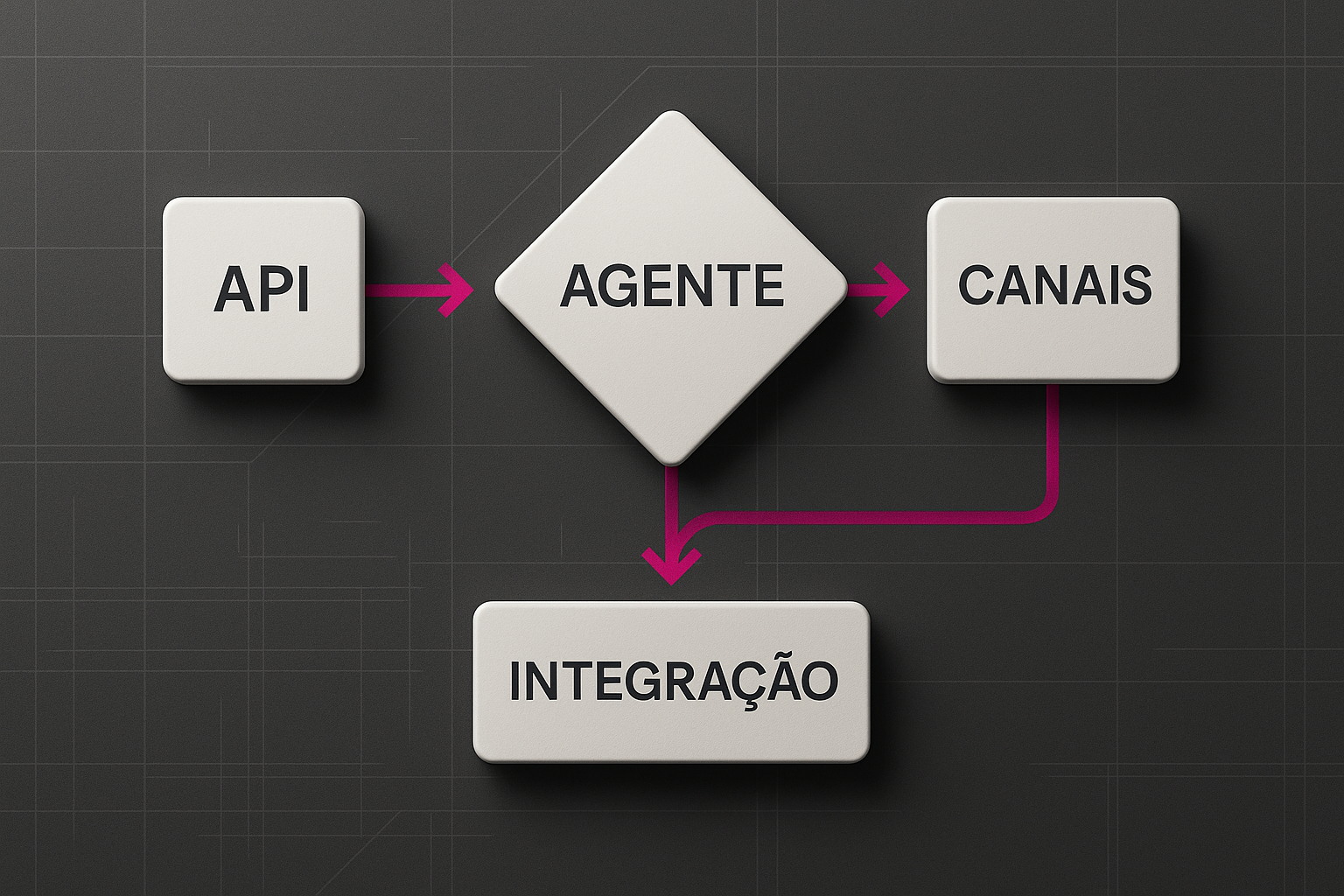
When the Catalog Turns Chaotic, AI Starts Deciding on a Truth That Doesn’t Exist
General-purpose agents amplify the gap between what enterprise systems report and what actually applies to a B2B transaction. Before delegating decisions, CTOs must govern data authority, business context, and traceability.
Read →
Your Distribution Business Gains Marketplace Volume but Loses Margin Along the Way
Third-party marketplaces aggregate demand that distributors may struggle to replicate, but they can erode margin without channel-specific commercial rules. Pricing, credit, and negotiation policies must come before automation.
Read →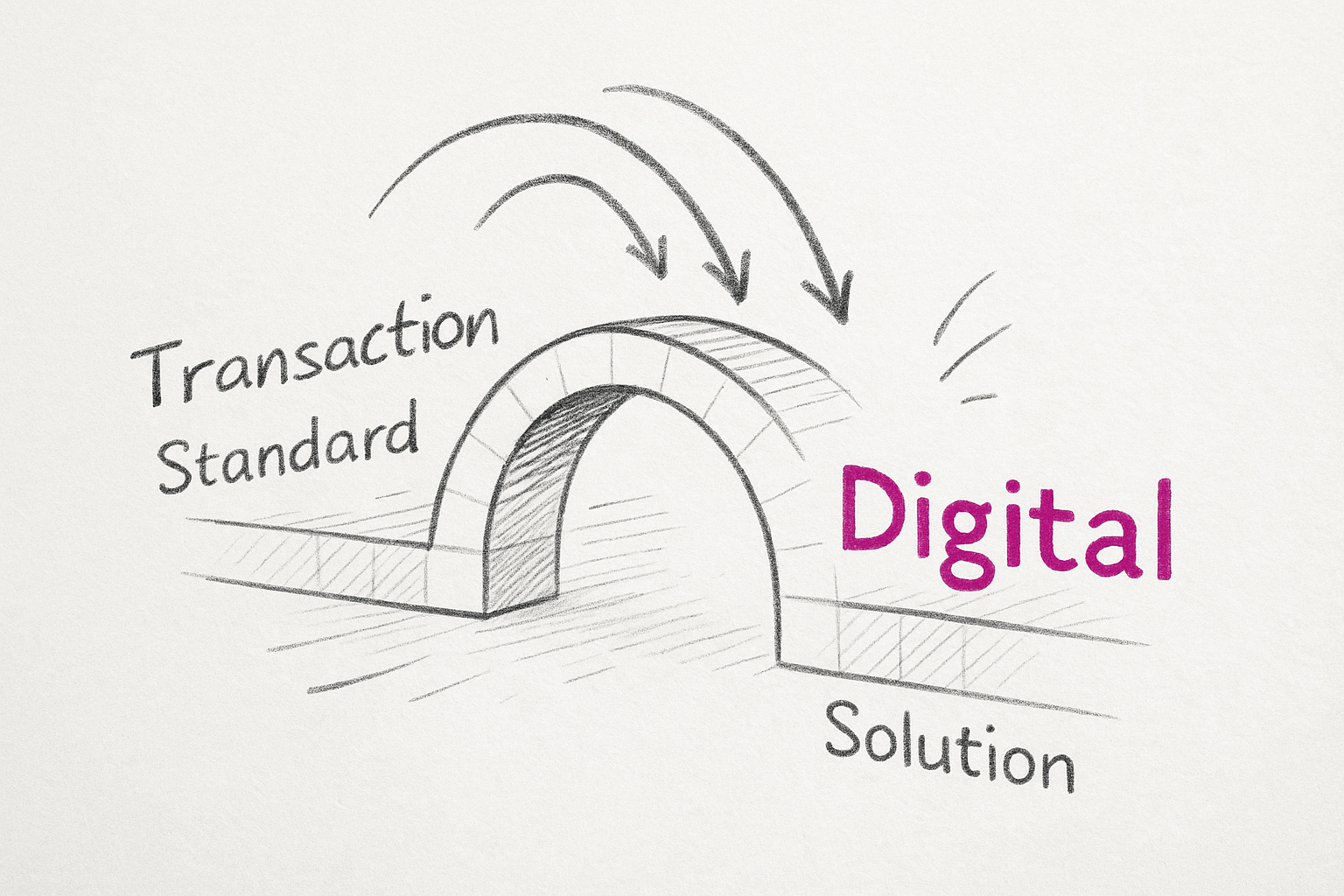
The Transaction × Product Matrix: Where Digital Actually Pays Off
Most B2B teams try to digitize everything at once and end up digitizing nothing well. The repeat/standard quadrant is the right entry point for digital commerce.
Read →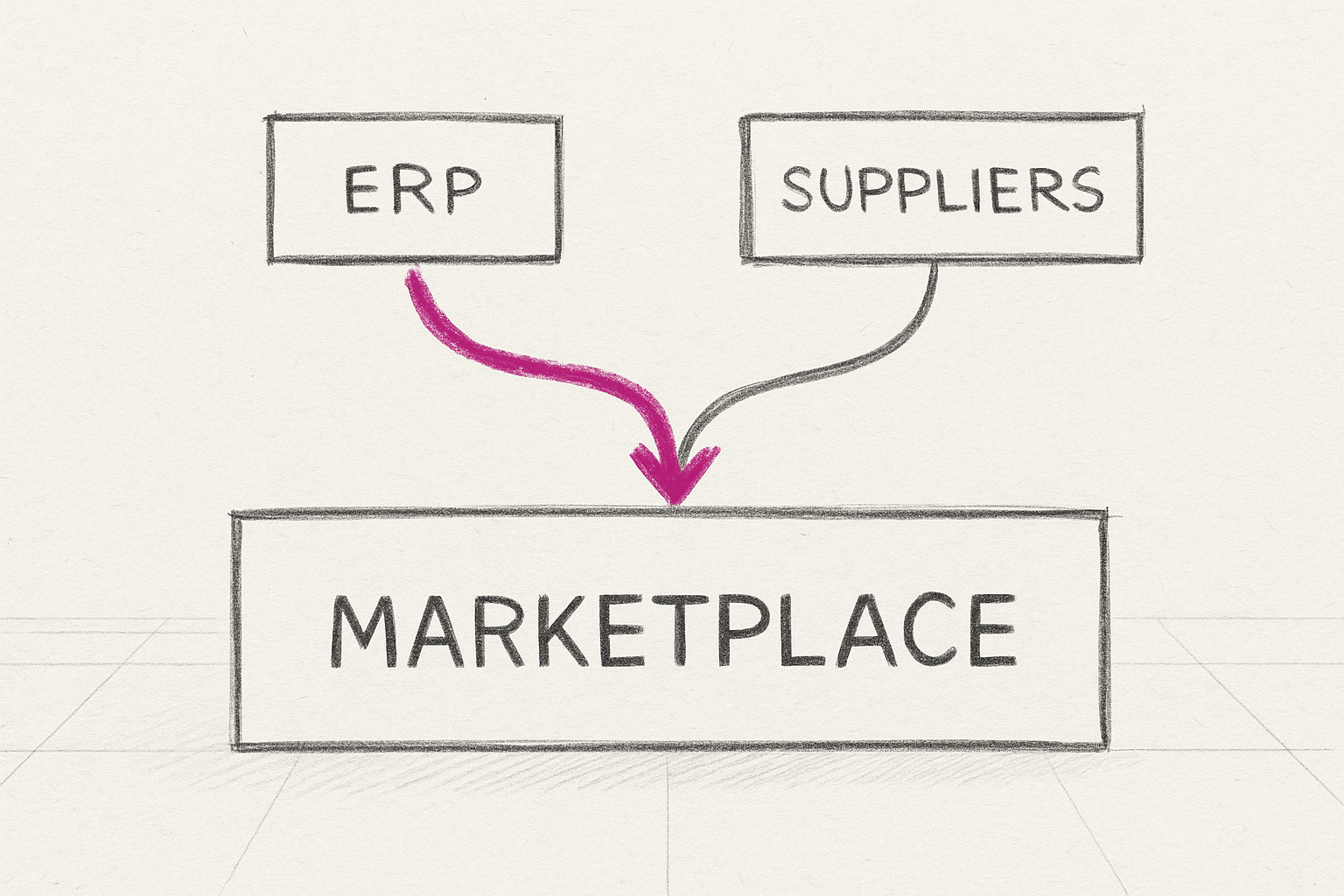
Marketplace Is an Outcome, Not a Goal
Treating a marketplace as a standalone build drives low adoption and fuzzy ROI. The real question is how to digitize the commercial network you already have—the marketplace is what follows.
Read →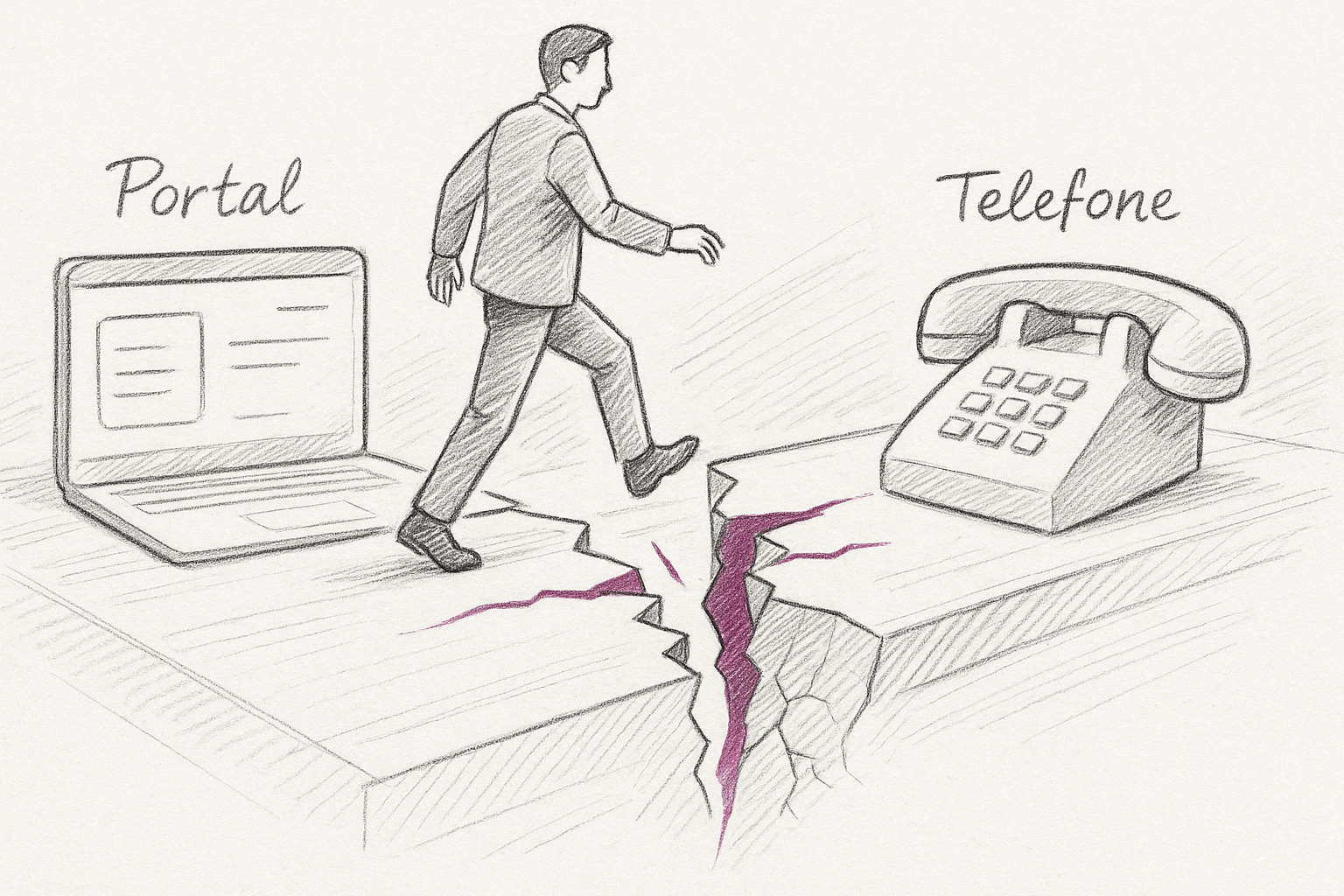
The portal says it’s in stock. The phone confirms it isn’t.
When the storefront and operations don’t share the same truth on catalog, price, and availability, the digital order ends in a call and rework. The online channel stops cutting cost and starts a second round of negotiation.
Read →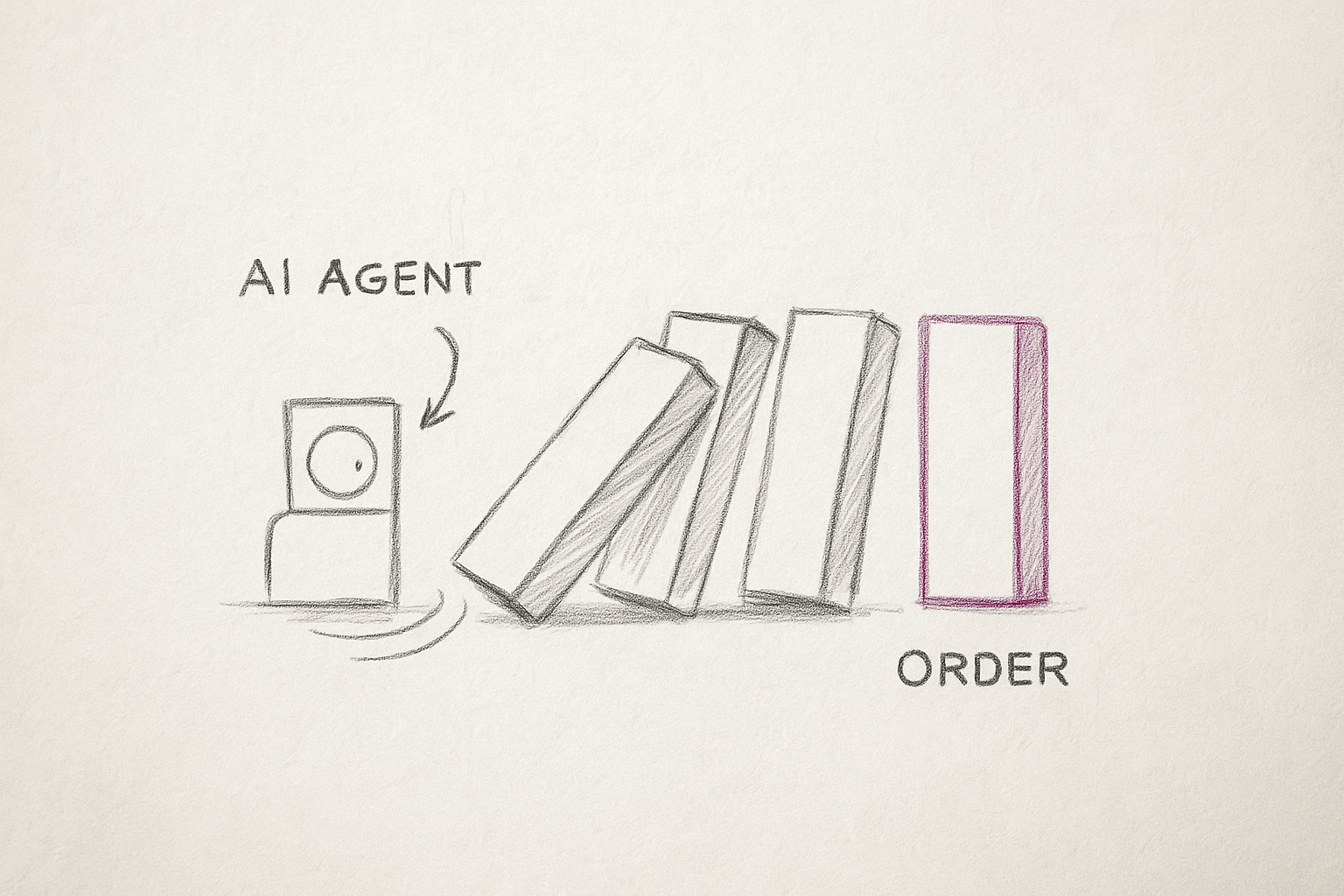
When an AI Agent Fails, the Error Doesn't Stay Isolated—It Replicates Across Every Order
AI agents already negotiate and buy on behalf of companies. But without fixed commercial policy behind them, a single agent error doesn't stay contained in one order—it scales across transactions before any human catches it.
Read →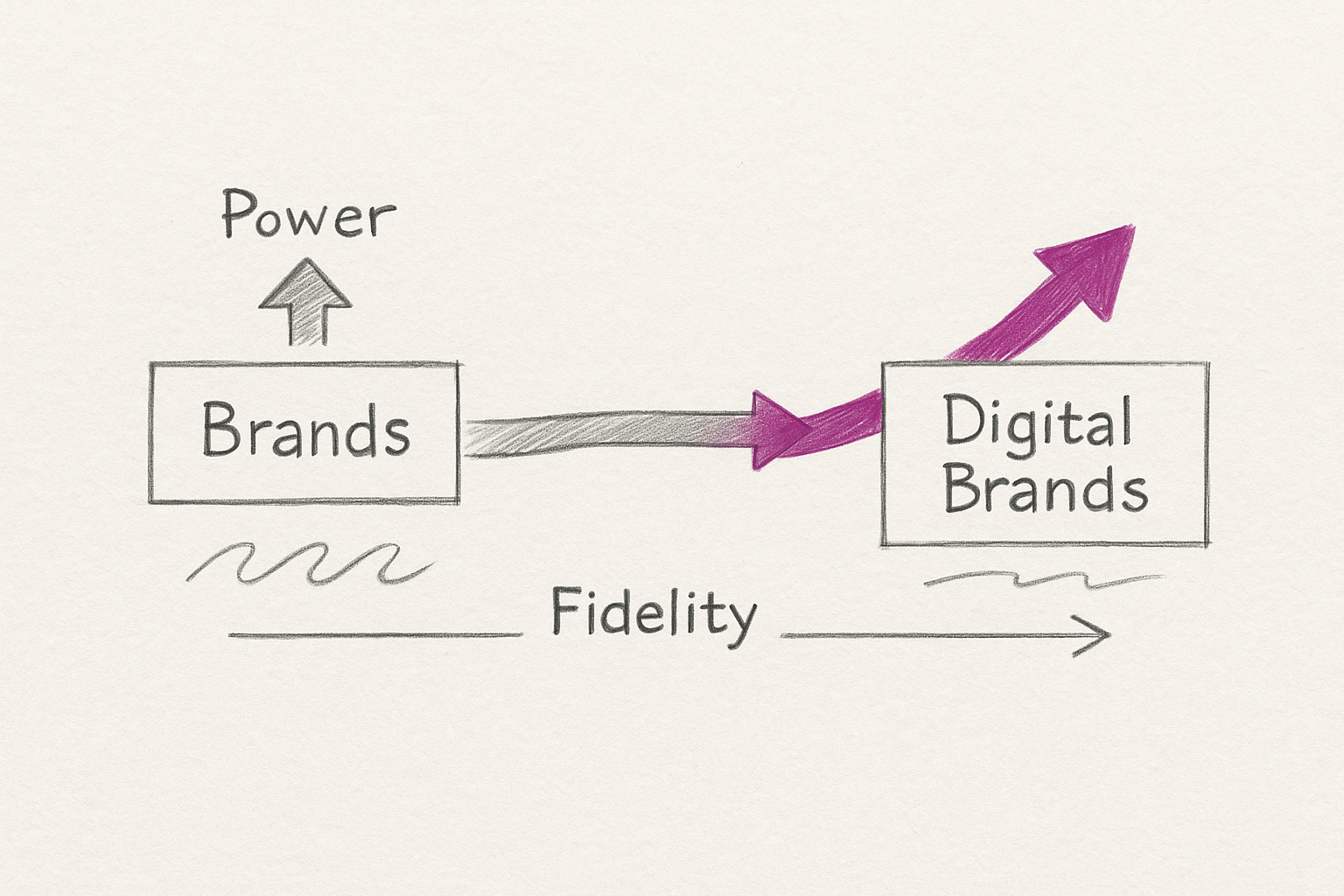
The Evolution of Power and Loyalty (By Decade)
Over twenty years, commercial bargaining power has changed hands three times: from brands and retailers, to digital consumers via marketplaces, and now to customer-centric digital brands. Loyalty has become measurable engagement.
Read →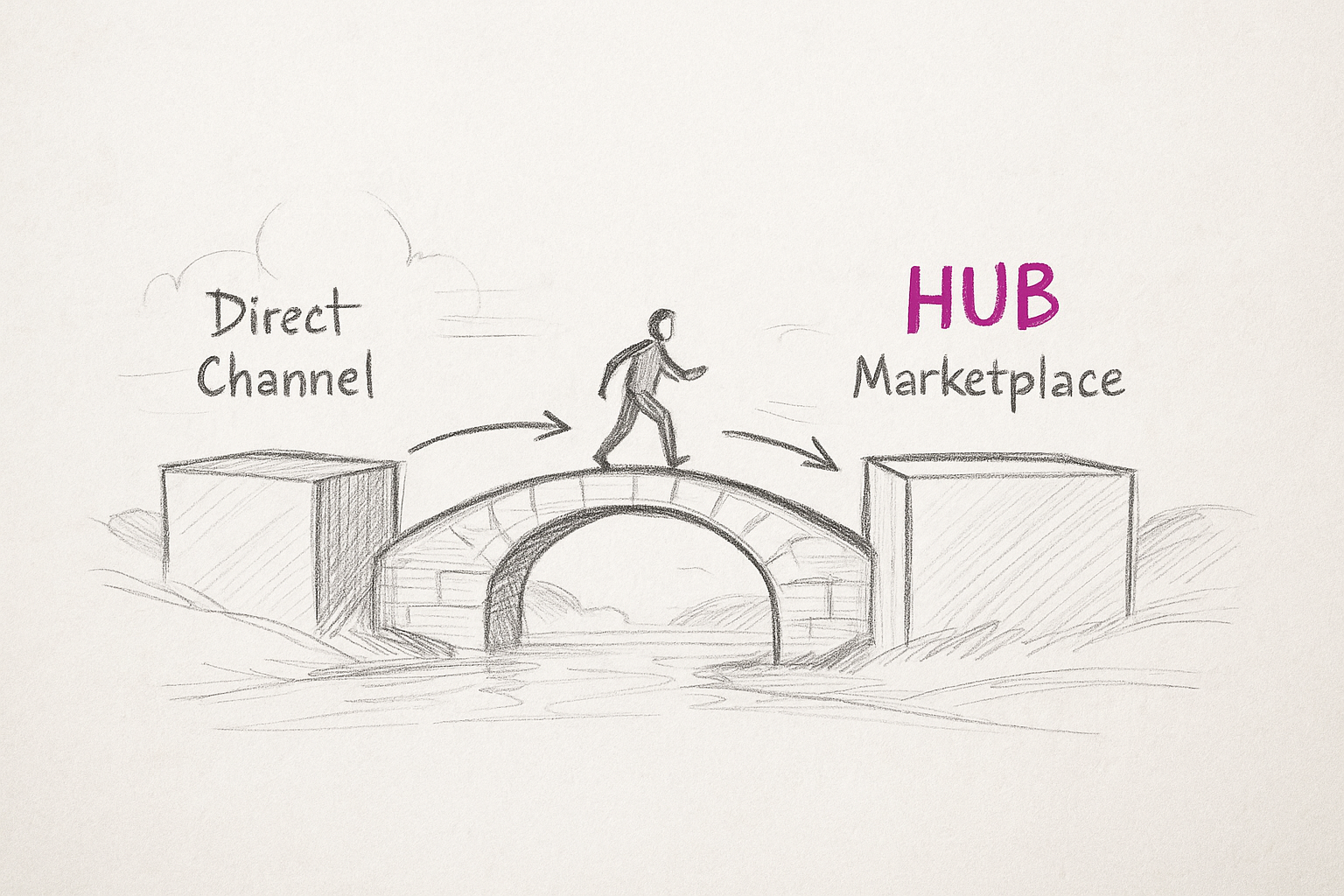
HUB — Third-Party Marketplaces as a Demand Channel
Treating Amazon Business or similar marketplaces as the enemy is the wrong move. The strategy that works is using them as a top-of-funnel entry point while building margin on your own channel — but only with price governance and differentiated terms by channel.
Read →
When the Agent Makes a Mistake, the 10-K Records It: What WESCO Teaches Us About Governance Before Automation
WESCO International flagged agentic AI as a strategic risk in its most recent 10-K. The signal is unambiguous: without deterministic pricing, credit, and approval rules locked in before an agent acts, automation doesn't reduce the cost of sales — it replicates and scales human error at industrial speed.
Read →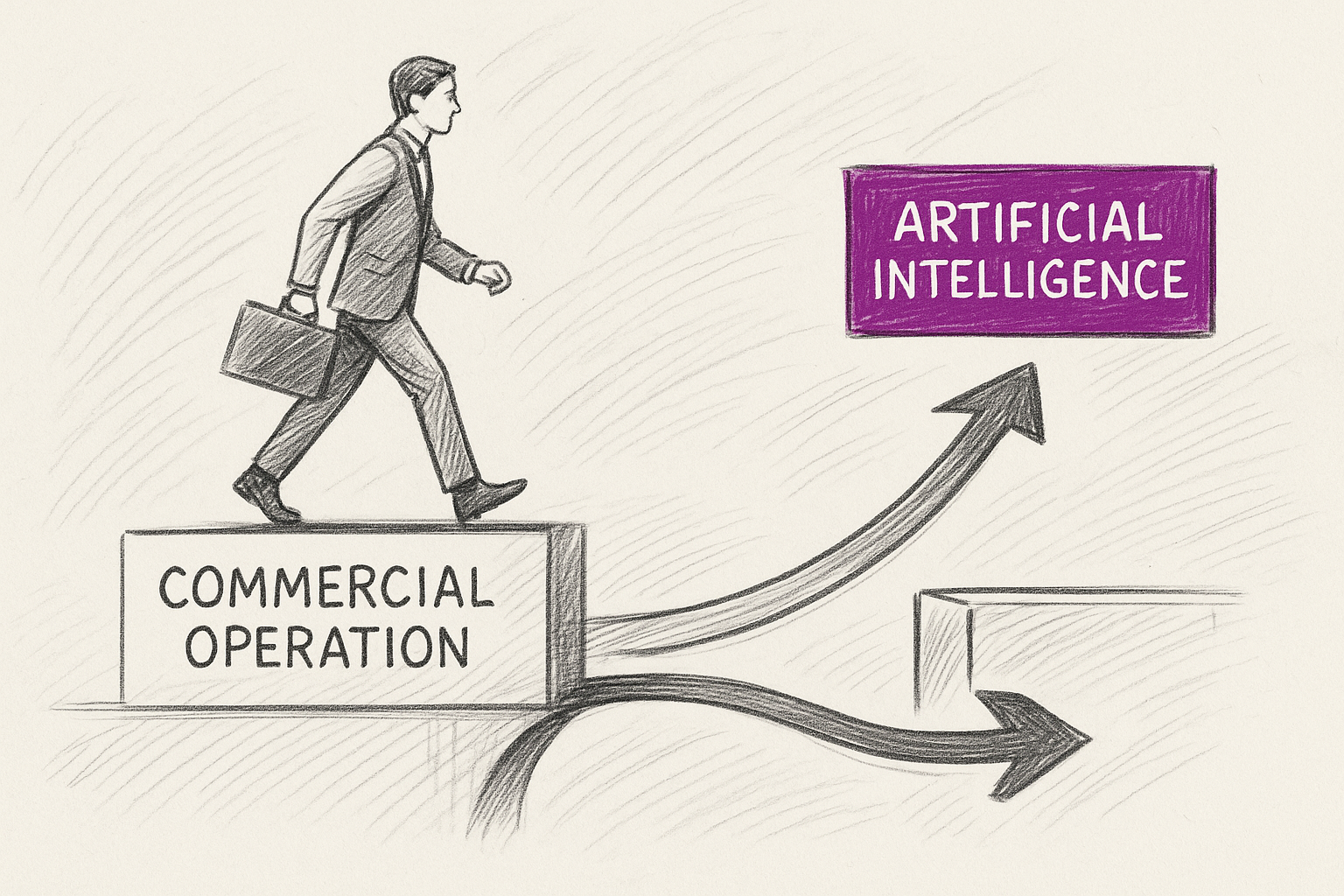
When the AI Model Decides Who Shows Up First, What Does Your Commercial Operation Have to Show?
LLMs and Google AI Overviews now synthesize answers for B2B buyers before any website visit occurs. Companies without structured, indexable documentation pay an invisible tax in friction and lost visibility on every sales cycle.
Read →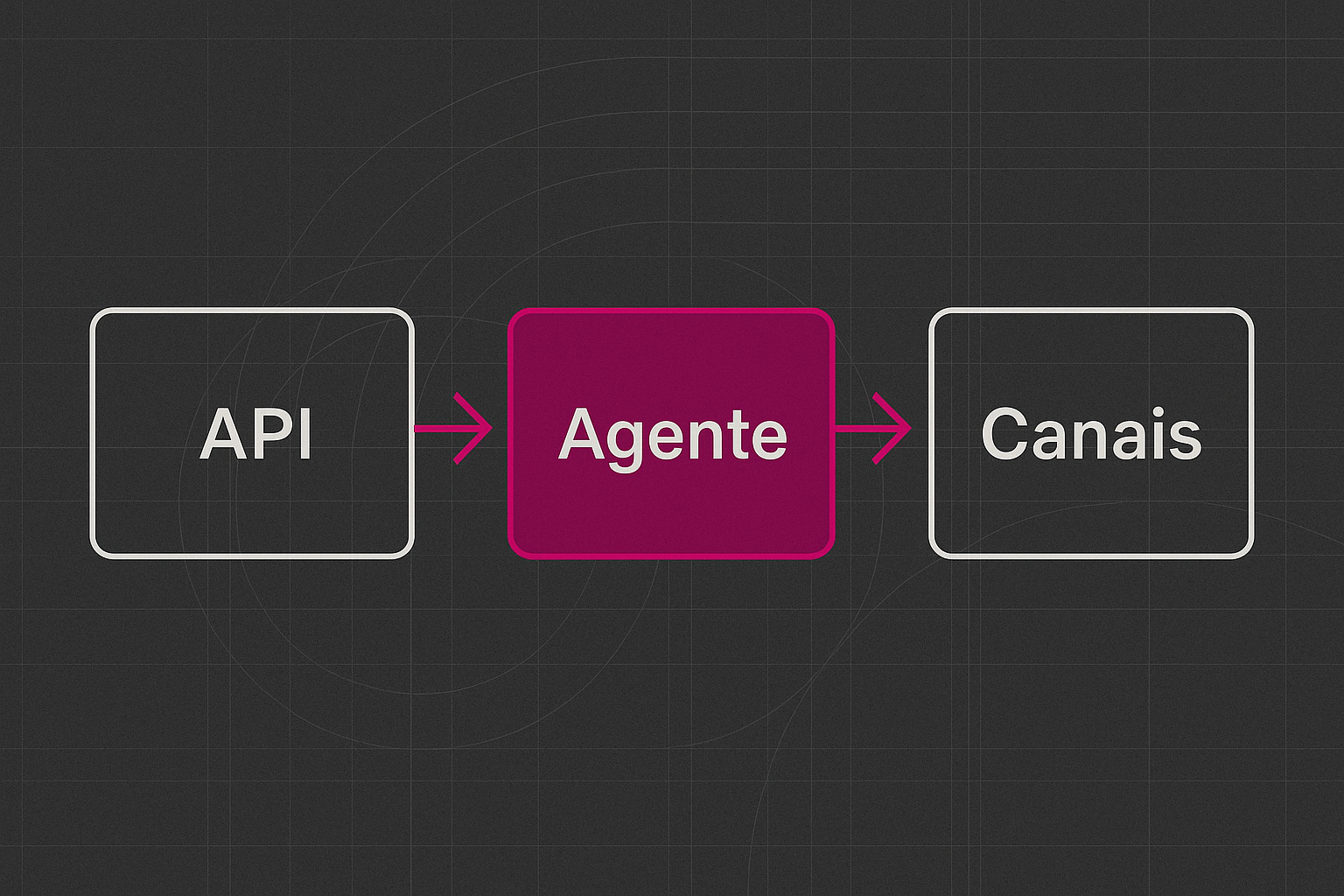
Your AI Agent Will Cut the Same Side Deals Your Sales Reps Already Do
Deploying an AI agent on your B2B portal without first formalizing commercial rules doesn't fix channel conflict — it scales the same off-policy deals your reps already cut, now at volume and without an audit trail.
Read →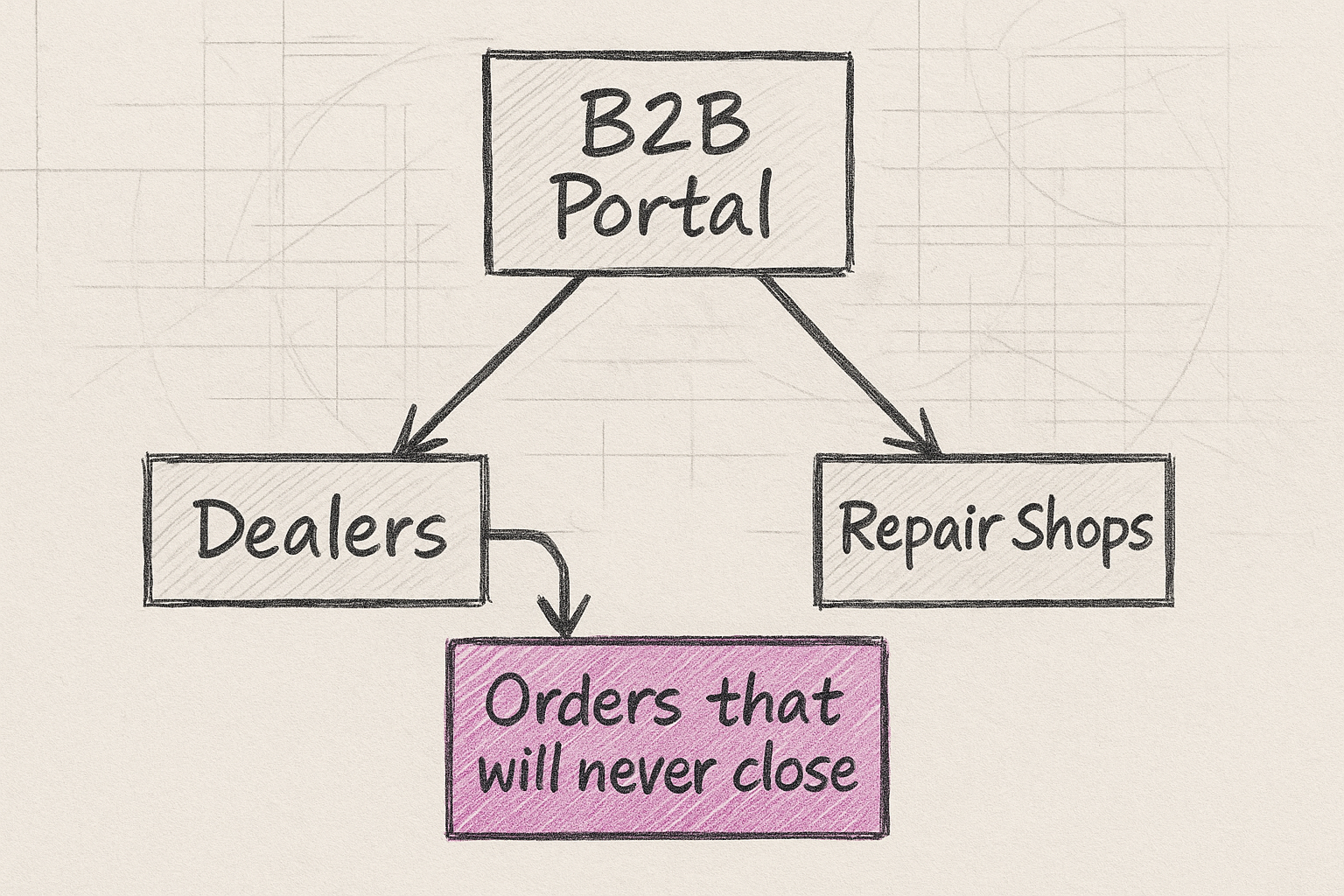
Your B2B portal accepts orders that will never close
B2B portals that hide credit limits and payment terms don't digitize the sale — they just push the problem downstream, after the order is placed, with more cost and friction on both sides.
Read →You're trying to build a marketplace when what you actually need is a sales ecosystem
Most B2B operations stall their digitization by chasing the wrong model: marketplace as a destination rather than an outcome. The right path starts from the inside out — with the sales rep as the demand driver and third-party inventory as a tactical complement, not a strategic anchor.
Read →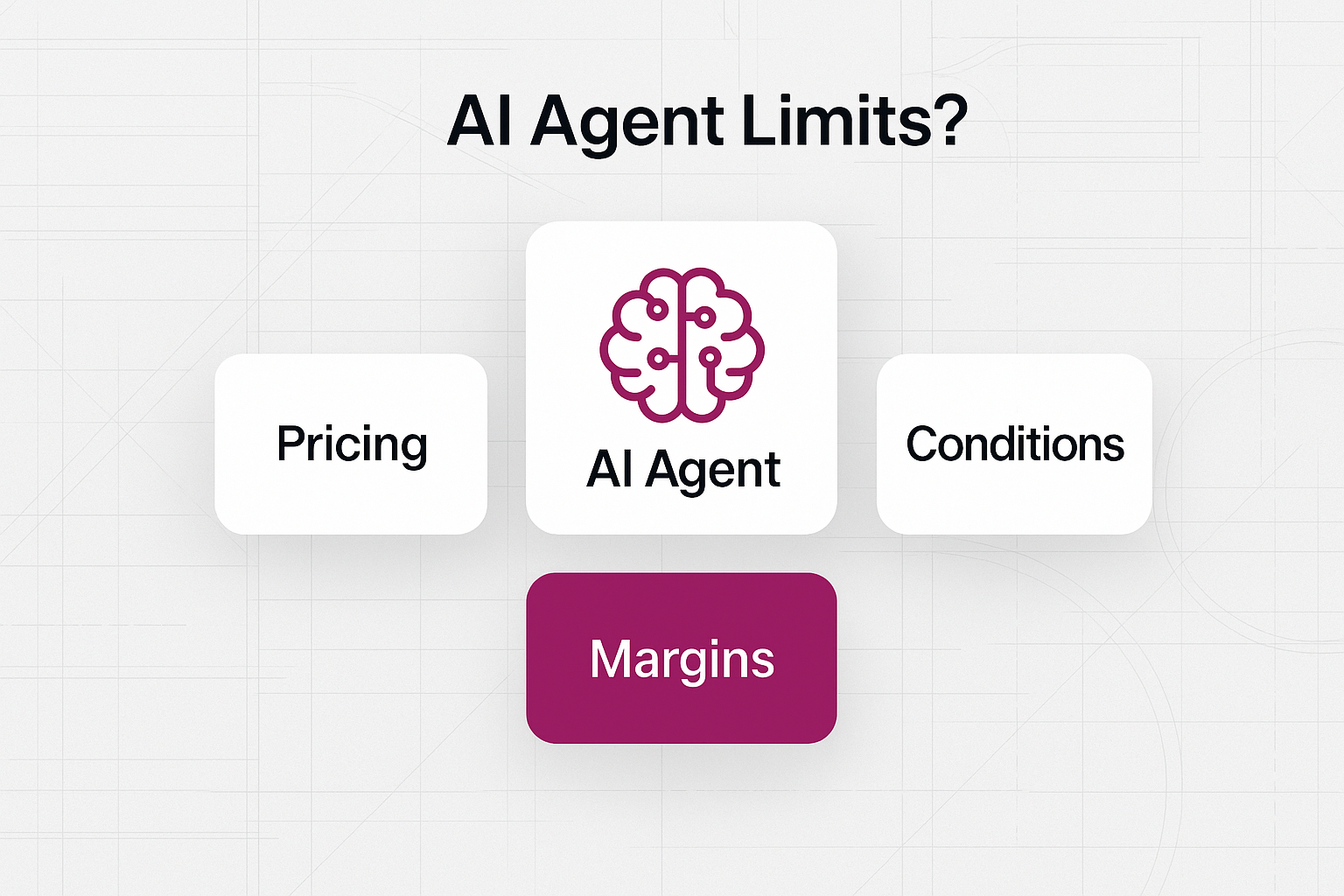
When an AI Agent Negotiates on Your Behalf, Who Sets the Limits?
AI agents are already executing B2B purchases and sales autonomously. The problem isn't the technology — it's the governance vacuum that precedes the automation.
Read →
Your B2B Portal Is Live. The Governance It Needs to Actually Work Isn't.
Most distributors have digitized the storefront. Few have digitized the decision — and that's where the risk, the margin, and the data that matter actually live.
Read →
Your B2B Channel Is Growing. Your Margin Isn't. The Problem Starts Before the Order.
When order volume climbs but per-order margin keeps falling, the culprit is rarely pricing — it's governance operating outside the order flow. Here are four concrete signals that confirm the diagnosis and the costs that never show up on your P&L.
Read →
The never-ending implementation and the board still waiting for ROI
For the CEO who approved the budget, named a sponsor, and is still watching the go-live slip quarter after quarter: the problem was never the technology — it was the absence of formalized commercial rules ready to govern what the system was supposed to execute.
Read →
Your B2B digitization project never goes live because commercial decisions were never mapped
Most stalled B2B digitization projects share the same root cause: the scope was built around data flows, not decision flows. Until commercial governance is treated as an architectural prerequisite, go-live keeps getting pushed.
Read →The buyer came, clicked through three systems, and left. Your campaign already paid for that.
Optimizing demand generation while ignoring B2B order friction is like filling a bucket with a hole in the bottom. The transaction cost your buyer absorbs at the checkout stage never shows up in the marketing report — it shows up, or doesn't, as revenue.
Read →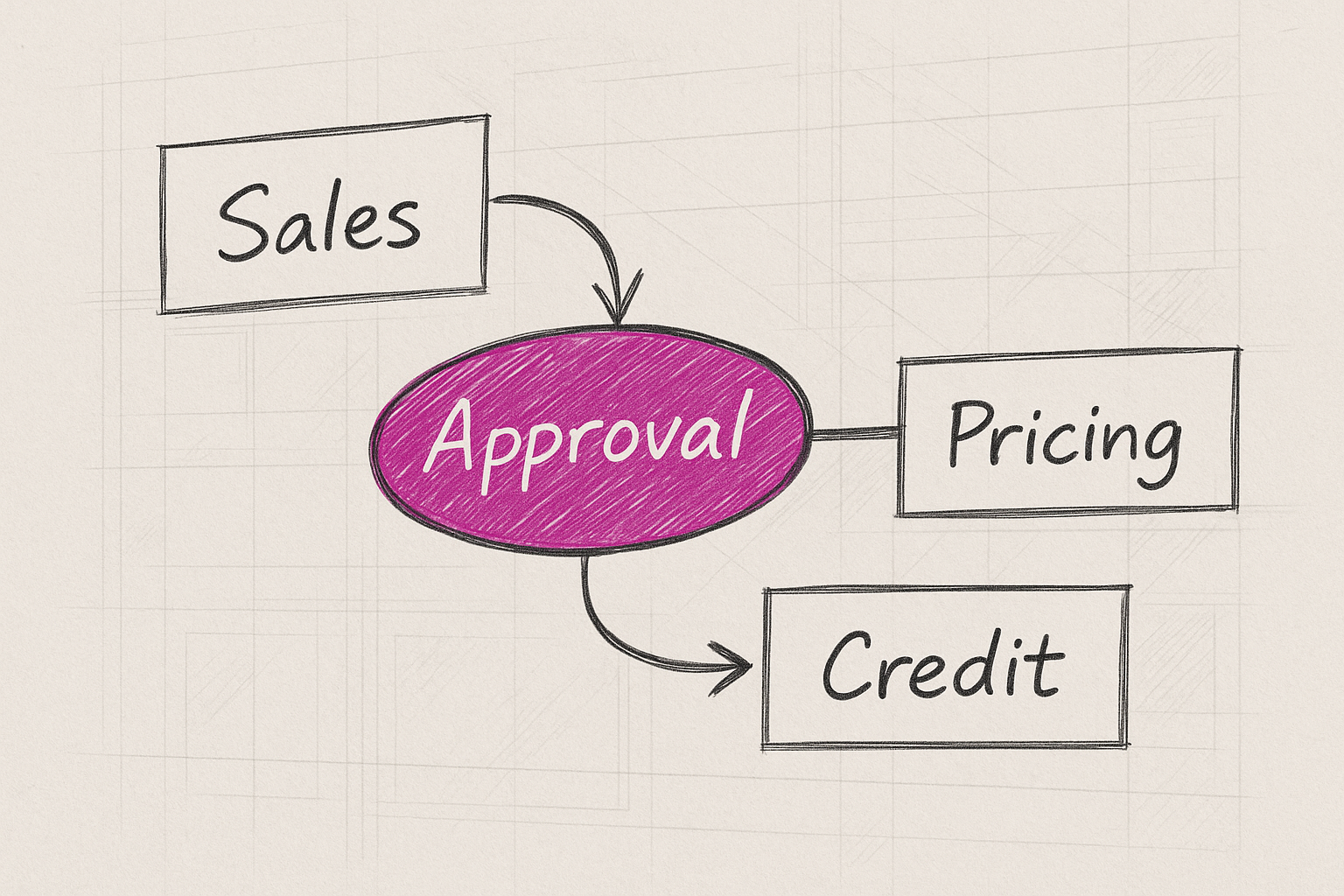
The sales rep who approves everything alone is the bottleneck hiding in your P&L
Sales reps have always been — and always will be — the humans in the B2B buying process. The problem isn't human involvement: it's that reps are spending judgment on tasks that don't require judgment.
Read →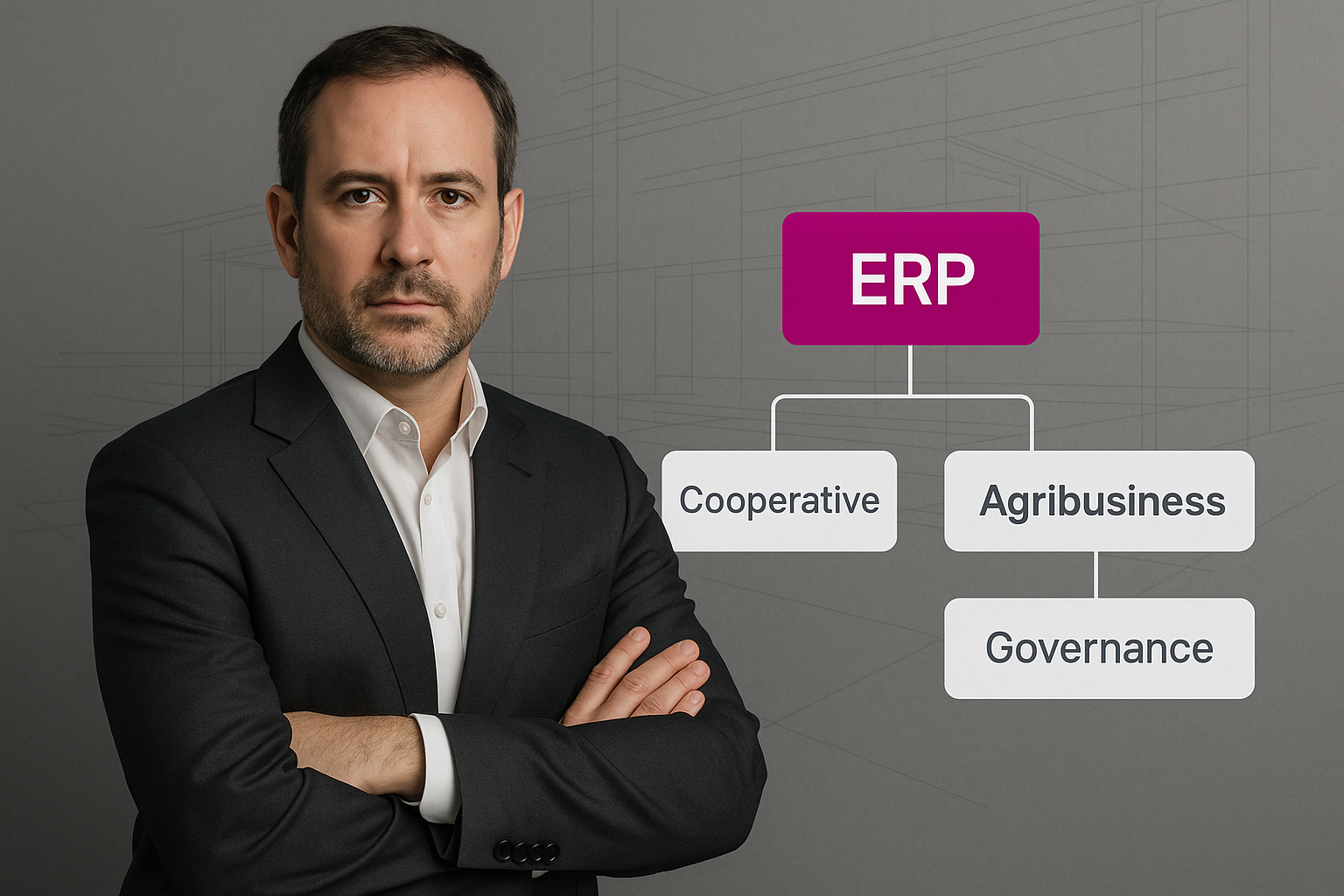
Digitizing an Agricultural Co-op Without Governing the Negotiation Just Trades One Problem for Another
Agricultural co-ops are pouring money into field digitization, but the real bottleneck lives in informal sales processes. Without negotiation governance, technology moves the chaos — it doesn't fix it.
Read →
Your Operation Scaled. Your Pricing Governance Probably Didn't.
When B2B revenue grows but margins quietly erode, the culprit rarely appears on any cost line. It lives in undocumented negotiations, informal approvals, and pricing logic that exists only in a sales rep's memory.
Read →
The AI Agent Confirmed the Order. The Price Was Wrong.
An AI agent acts on the data it finds — and if the catalog doesn't hold the right answer, it confirms the wrong order with speed and the appearance of a formal approval. The cost isn't in the model: it's in the source it queried.
Read →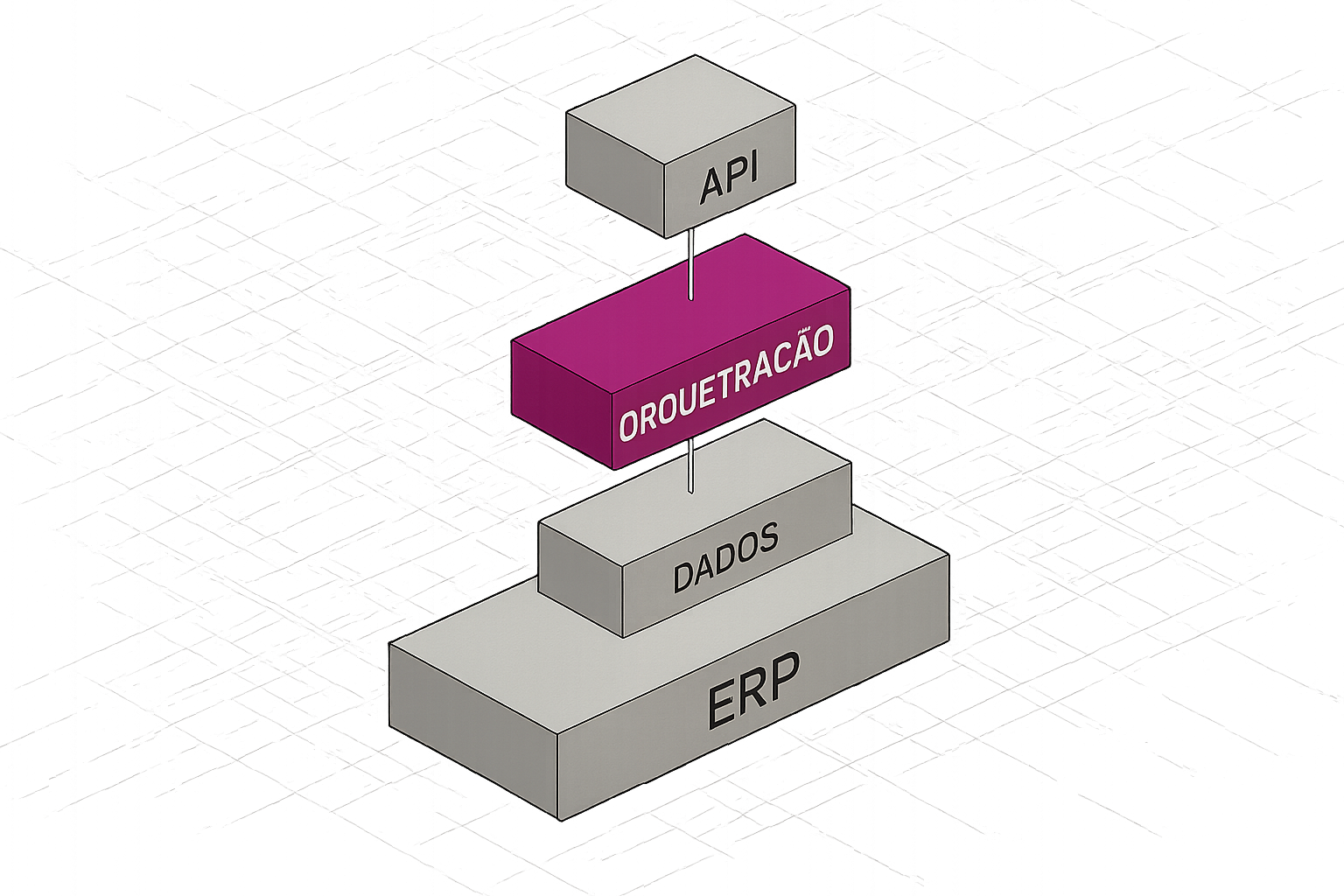
Your ERP Is Full of Data and Empty of Decision
ERP records what already happened; governance determines what can happen next. Without that layer, decisions don't disappear — they migrate to the sales rep's head, the untracked Slack message, and the exception that becomes standard practice.
Read →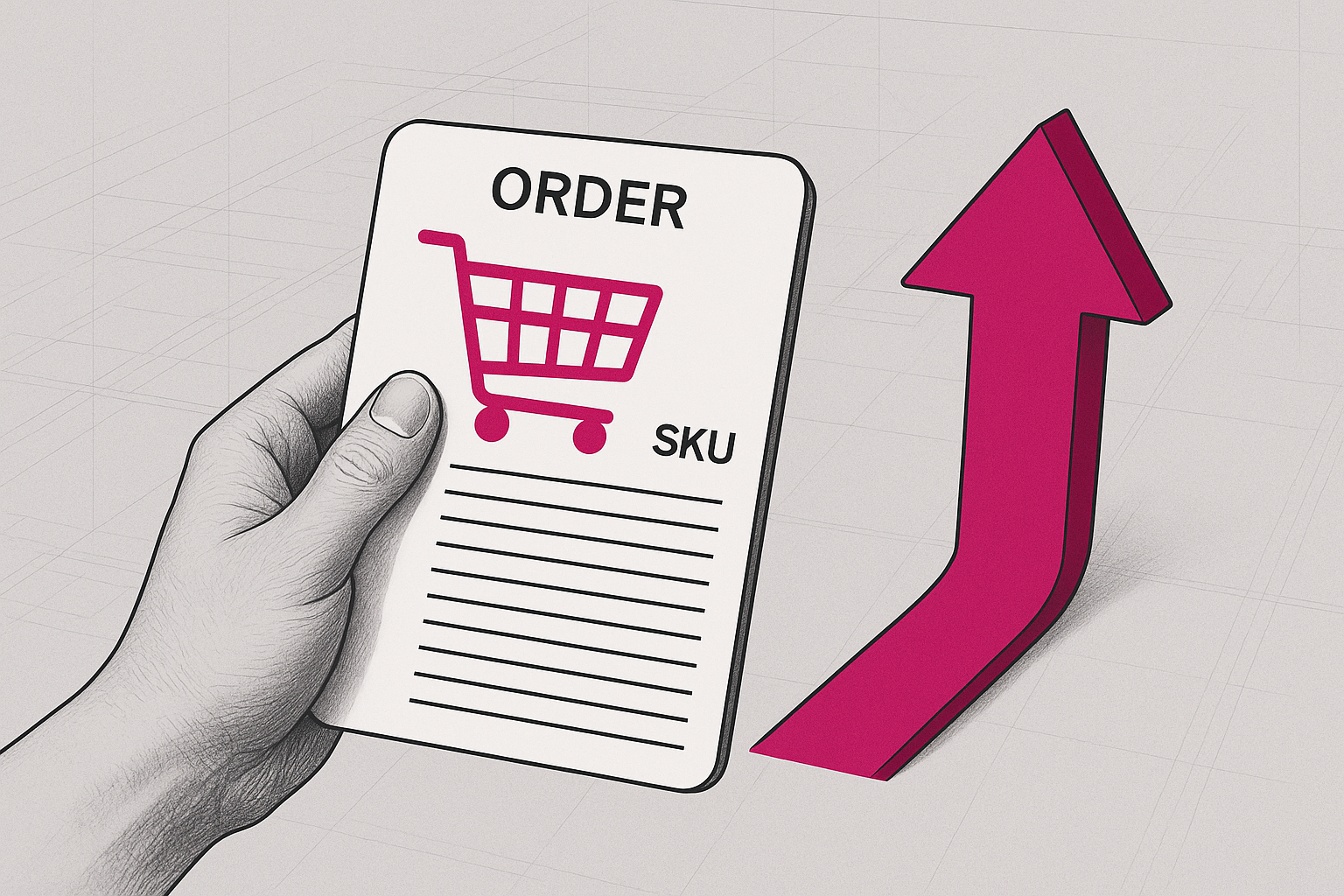
Your Sales Rep Is Still Building 100-Line Orders by Hand
B2B distributors that scale their customer base without separating operational from consultative selling end up scaling headcount costs at the same rate — eroding margin invisibly. The Imdepa case shows what shifts when the system absorbs the repetitive work.
Read →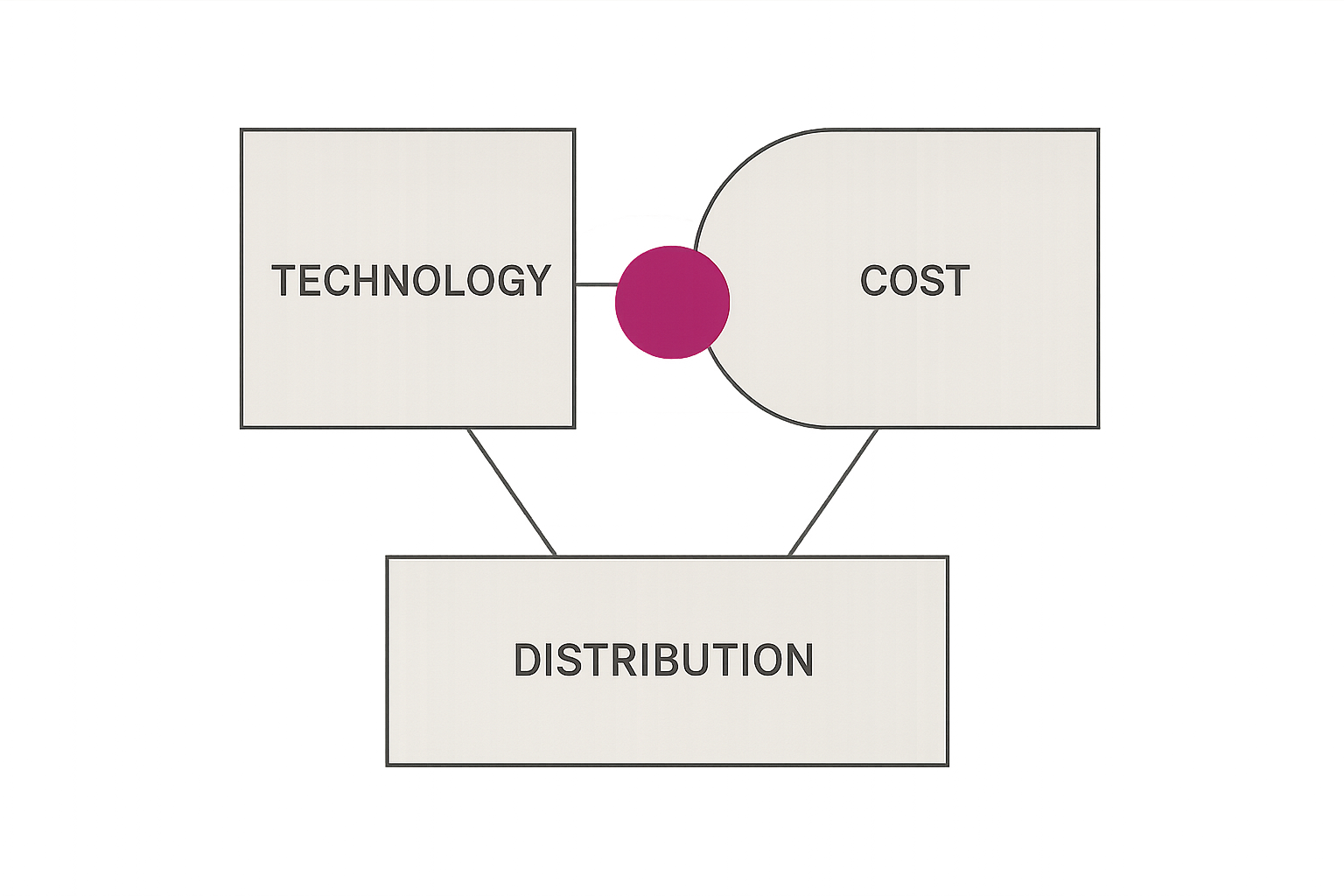
The distributor that doesn't die from tech disruption dies from high operating costs
Treating disintermediation as the primary threat to B2B distribution is the wrong diagnosis — and operating with the wrong diagnosis is a cost that shows up slowly, in the margin, until it's impossible to ignore.
Read →
The Knowledge Stuck in Your Sales Rep's Head Is Your Biggest B2B Bottleneck
In most B2B operations, pricing, credit, and exception rules aren't in the system — they're in the sales rep's memory. Until that changes, the operation can't scale and governance remains out of reach.
Read →
Your sales team runs AI, but the data it needs is still inside the rep's head
Auto parts distributors are deploying AI to accelerate quoting and customer service, but hitting a problem that predates the technology: fragmented pipeline data, unwritten pricing policies, and exception rules that live only in a senior rep's memory.
Read →
The Seller Who Joined the Platform and Never Made a Sale
Onboarding a seller and activating a seller are two very different things. The hidden cost of partners who exist in the system but are invisible to buyers.
Read →
When AI Agents Negotiate Without Rules, Every Mistake Scales
Deploying AI agents in B2B sales or procurement without explicit, pre-approved commercial rules doesn't streamline operations — it turns every isolated pricing or deal-term error into a systemic, unauditable liability.
Read →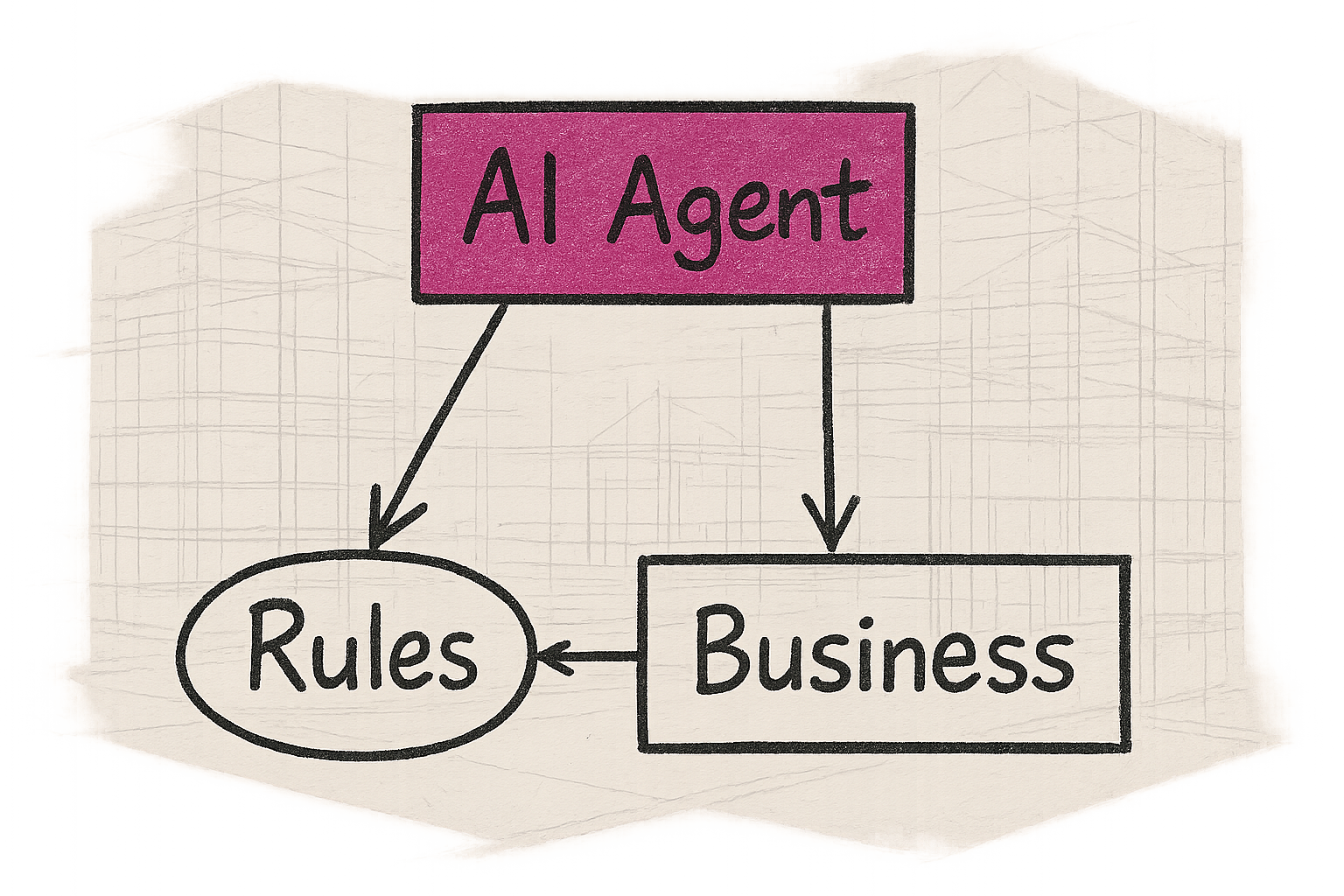
Your AI Agent Will Negotiate Using the Same Rules You Can't Audit Today
Only 3 of 22 major B2B distributors mention agentic AI in SEC filings. That silence isn't a technology lag — it's a signal that agents without governed rules won't survive regulatory, financial, or commercial scrutiny.
Read →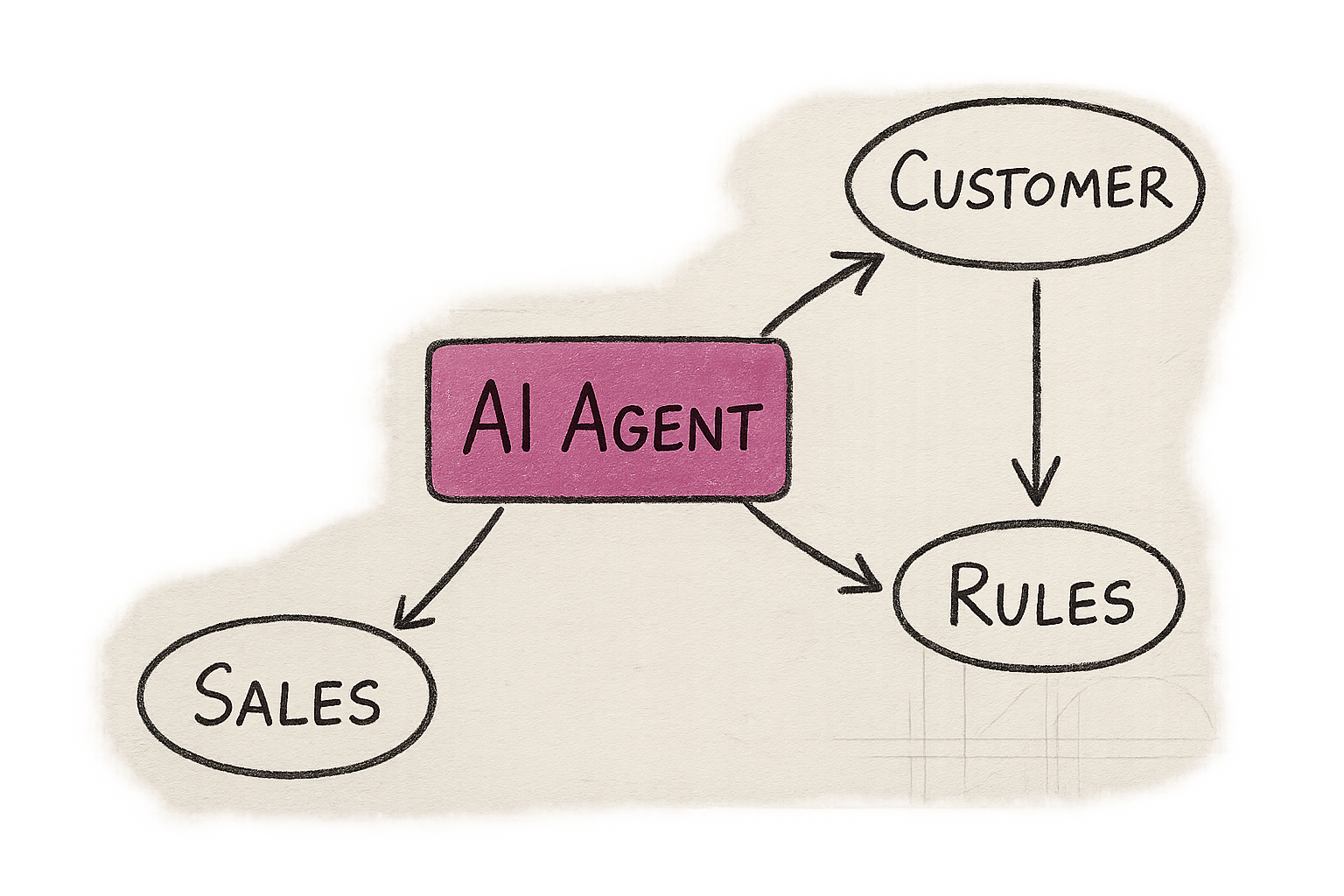
Your AI Agent Is Already Negotiating. Did Anyone Set the Rules?
Autonomous AI agents are already executing commercial tasks on behalf of B2B companies — but most operations haven't defined who authorizes what before deploying them. Without decision governance upstream of automation, the agent doesn't make one mistake: it makes thousands.
Read →
When B2B Negotiation Becomes a Black Box, the Cost Shows Up in Margin — Not in Reports
In B2B operations with customer-specific pricing and deal terms, undocumented negotiation rules erode margin without triggering any report. Governance before automation is what separates real efficiency from scaled chaos.
Read →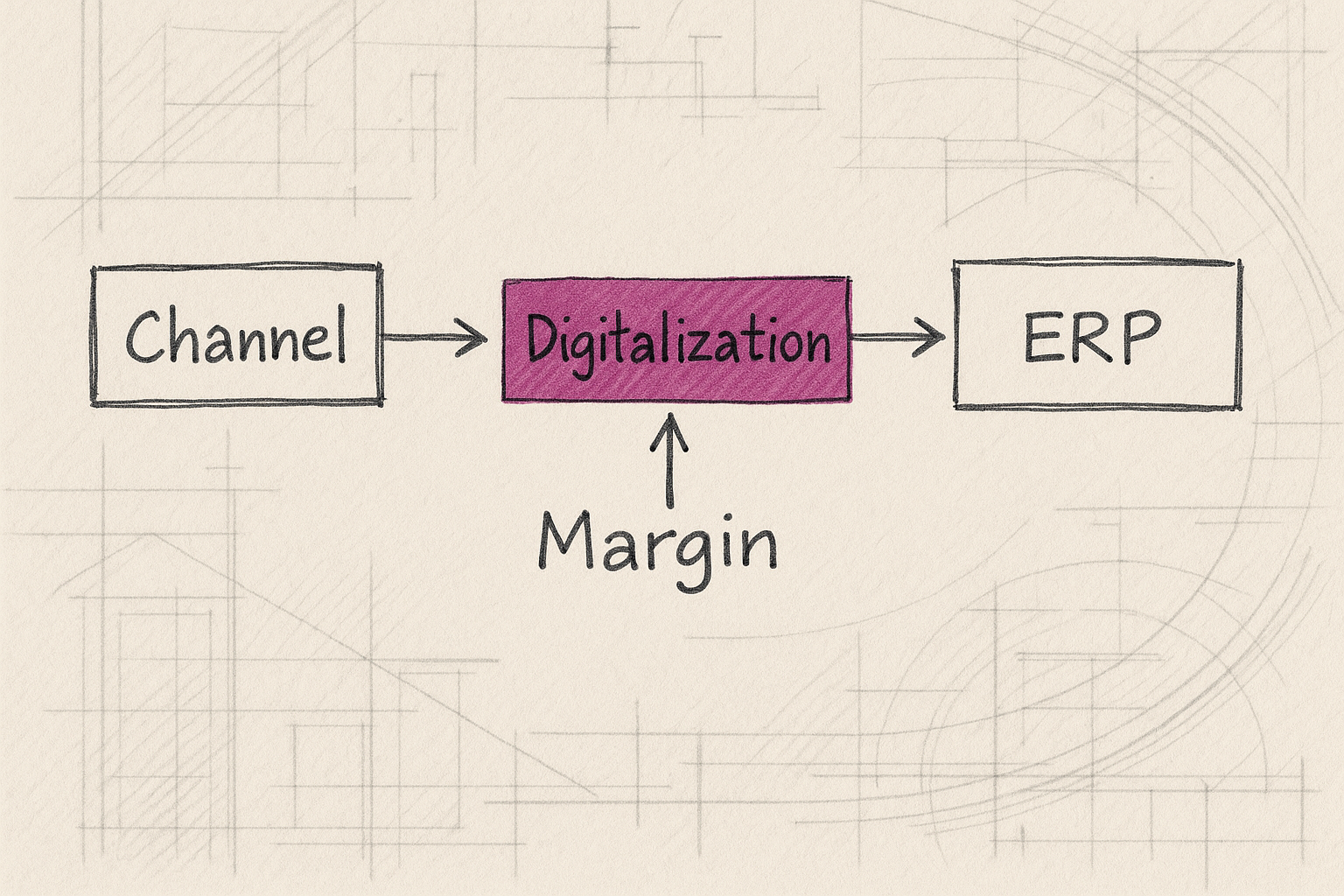
You Digitized the Channel. Why Hasn't Margin Improved?
Many B2B companies have digitized their sales channel while leaving pricing, credit, and mix decisions outside the system. Here's why margin only improves when the sell decision goes digital too.
Read →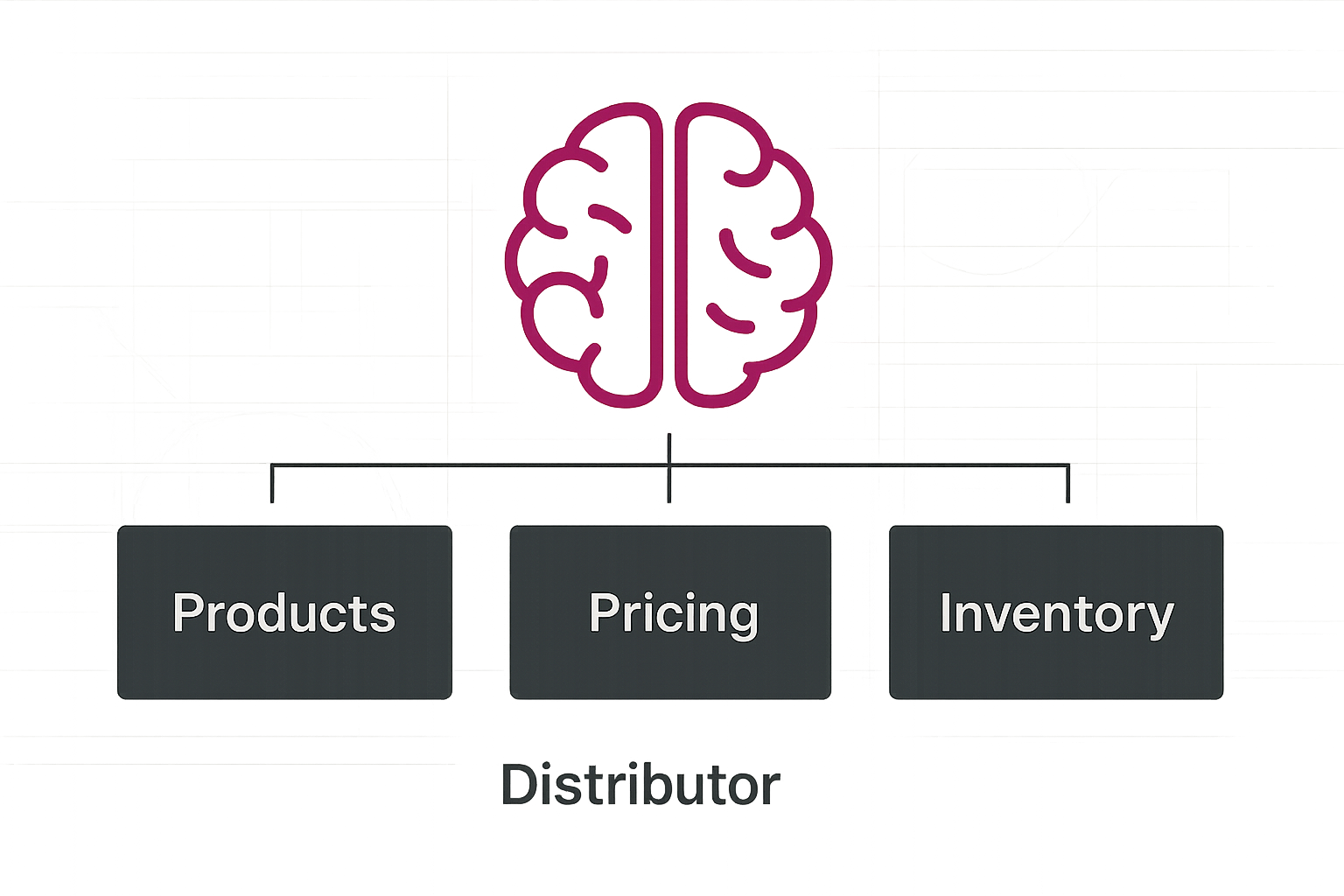
The Distributor Without an Operational Brain Is Making Decisions in the Dark
B2B distributors that scale volume without organizing their internal decision logic erode margins and lose execution capacity — especially when they attempt automation without structure. AI only performs when it has real context to work with.
Read →
The B2B Growth Ceiling Isn't the Market. It's the Org Chart.
Scaling revenue by adding headcount is the default B2B playbook — but it has a structural ceiling. The layer that governs pricing, credit, and approvals is what separates true operational scale from linear growth.
Read →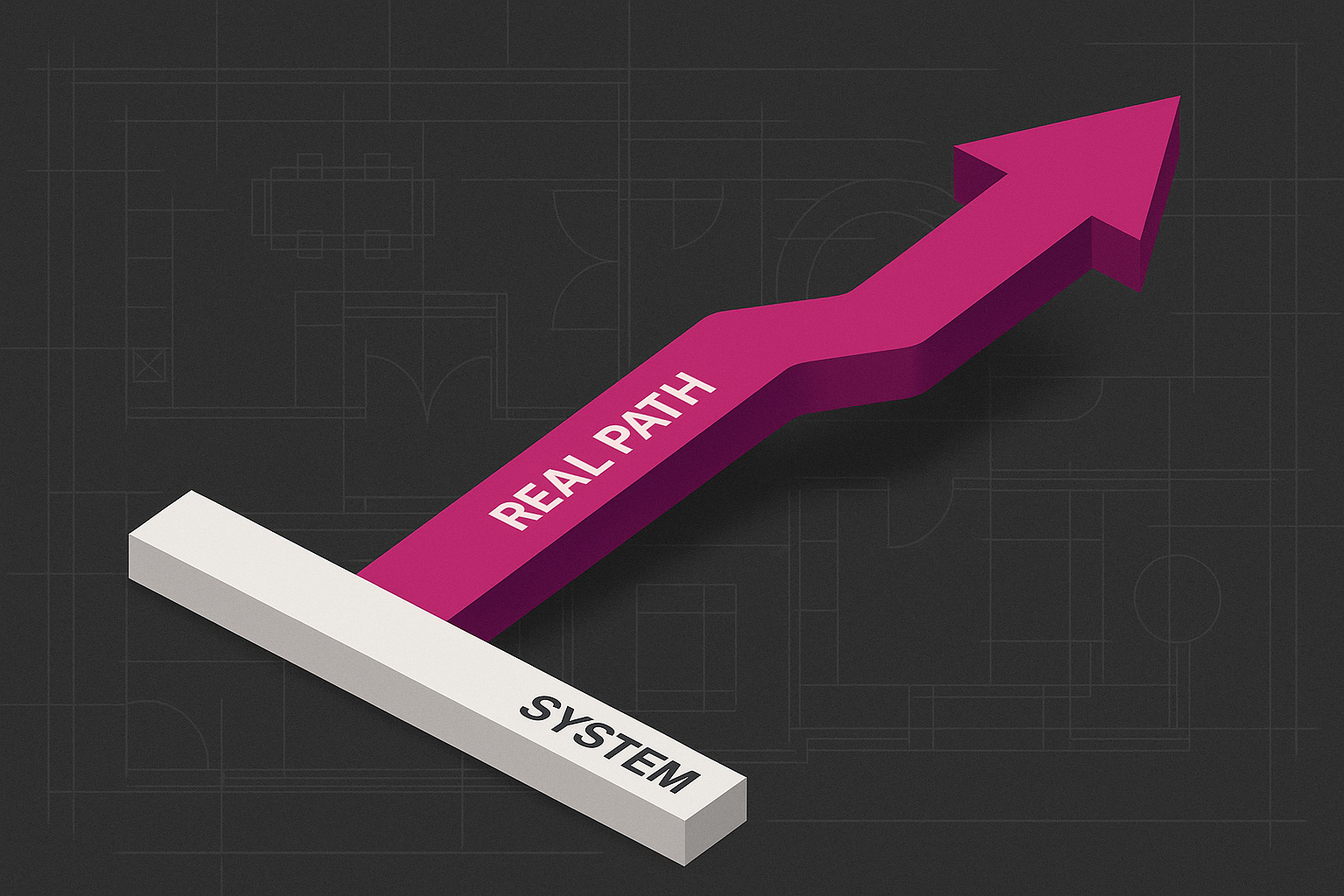
The Rep Knows the Real Path. The System, Not Always.
Every B2B operation runs two versions of the same workflow: the documented process and what the rep actually does to close the deal. The gap between them is where hidden costs accumulate.
Read →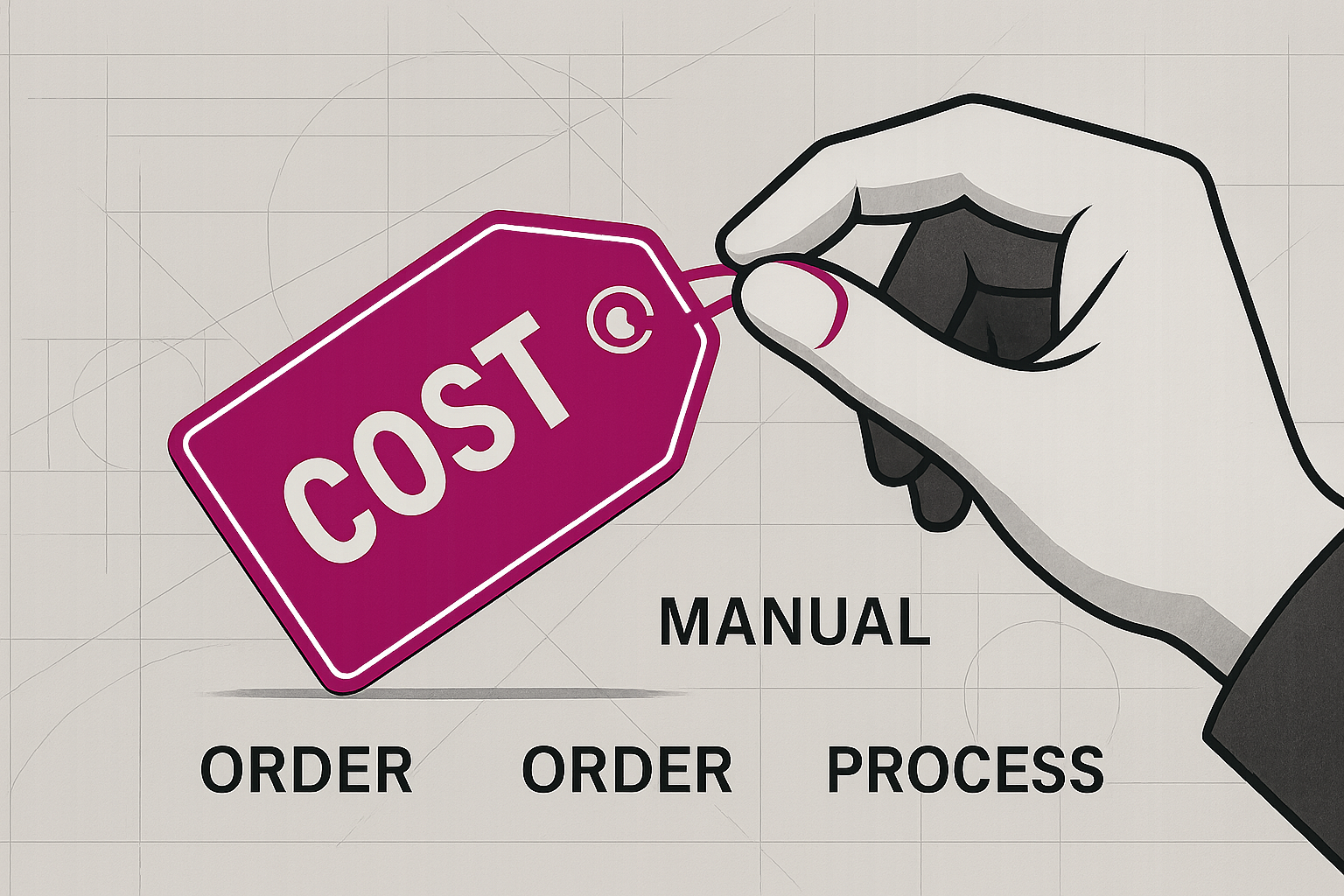
Do You Know What Each Manually Processed Order Is Actually Costing You?
Volume growth without operational friction reduction silently consumes margin. Learn how hidden transaction costs accumulate in B2B order management — and what must happen before any automation effort.
Read →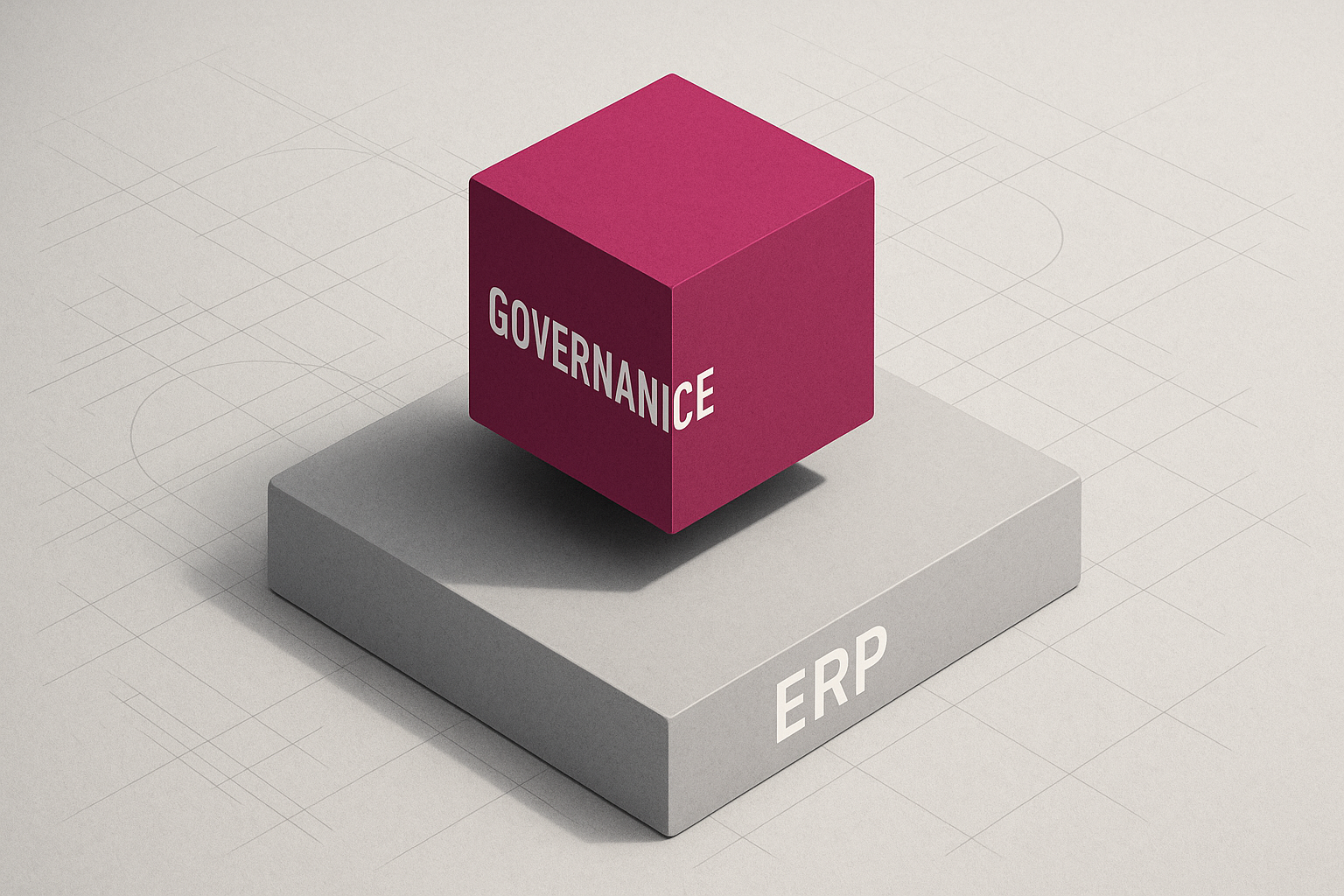
Your ERP Isn't the Problem. What Governs Everything on Top of It Is.
Replacing SAP or Oracle takes years and doesn't fix the core issue: the absence of a layer that governs pricing, credit, and approvals before an order ever reaches the system of record.
Read →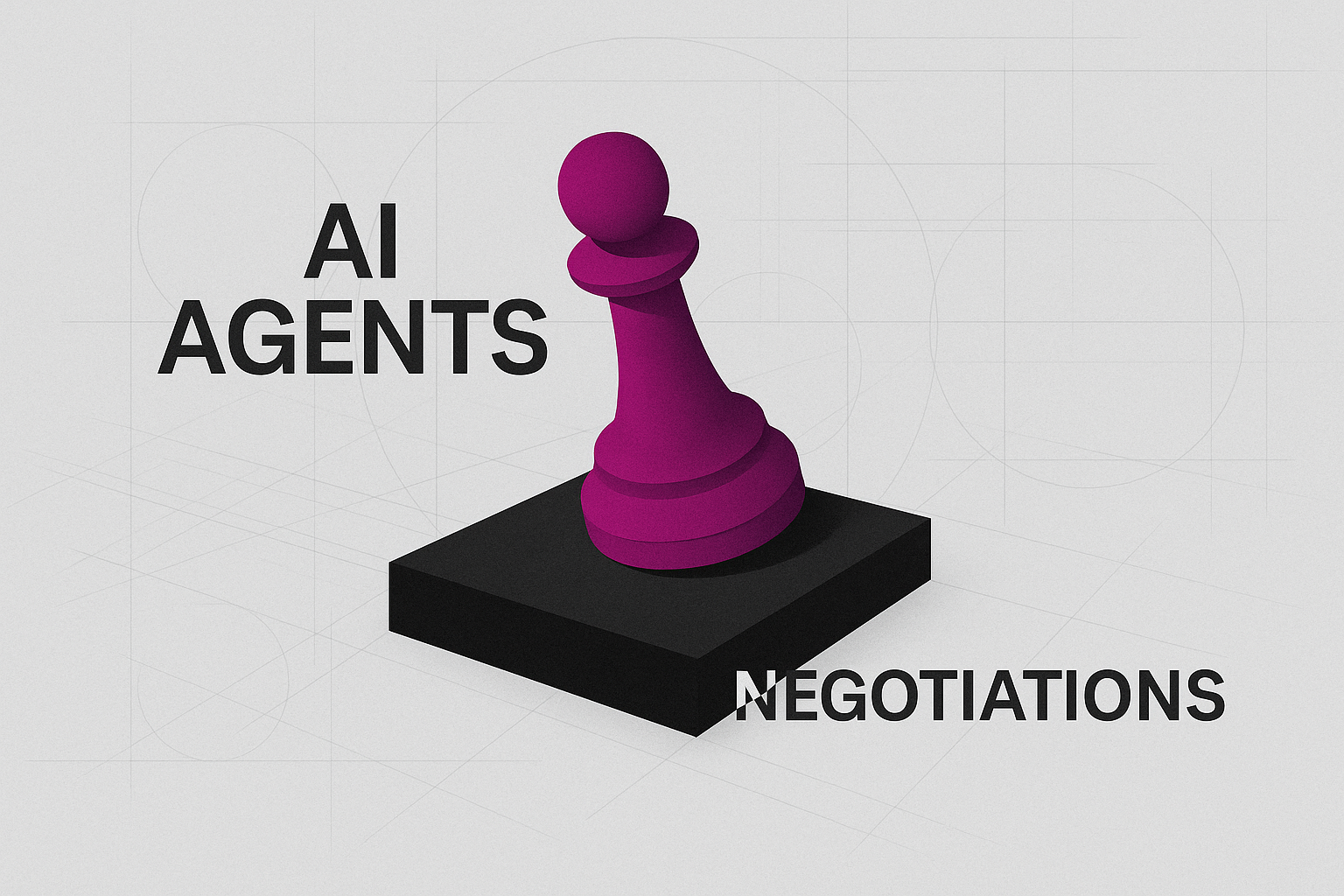
AI Agents Will Run Your B2B Sales Negotiations — and Your Governance Isn't Ready
AI agents execute the commercial logic that already exists — right or wrong, at scale. Before you agentify, the relevant question isn't which agent to use, but which business rules it will actually run.
Read →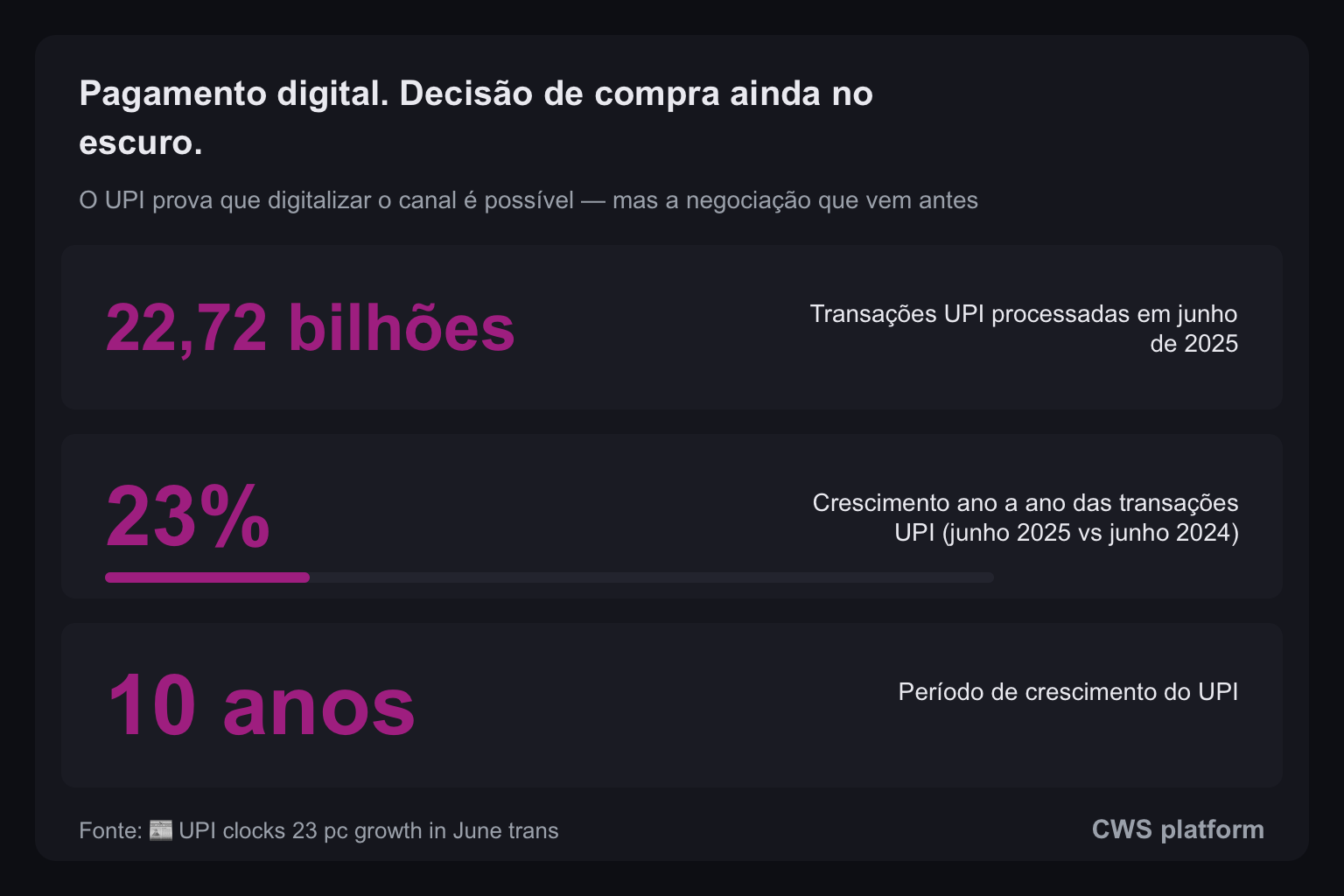
You Digitized the Payment. The Purchase Decision Is Still a Black Box.
India's UPI processed 22.72 billion transactions in June 2025 alone. Digitizing payment rails has been done at historic scale — but in B2B, the payment is the end of the journey. Everything that came before it is still opaque.
Read →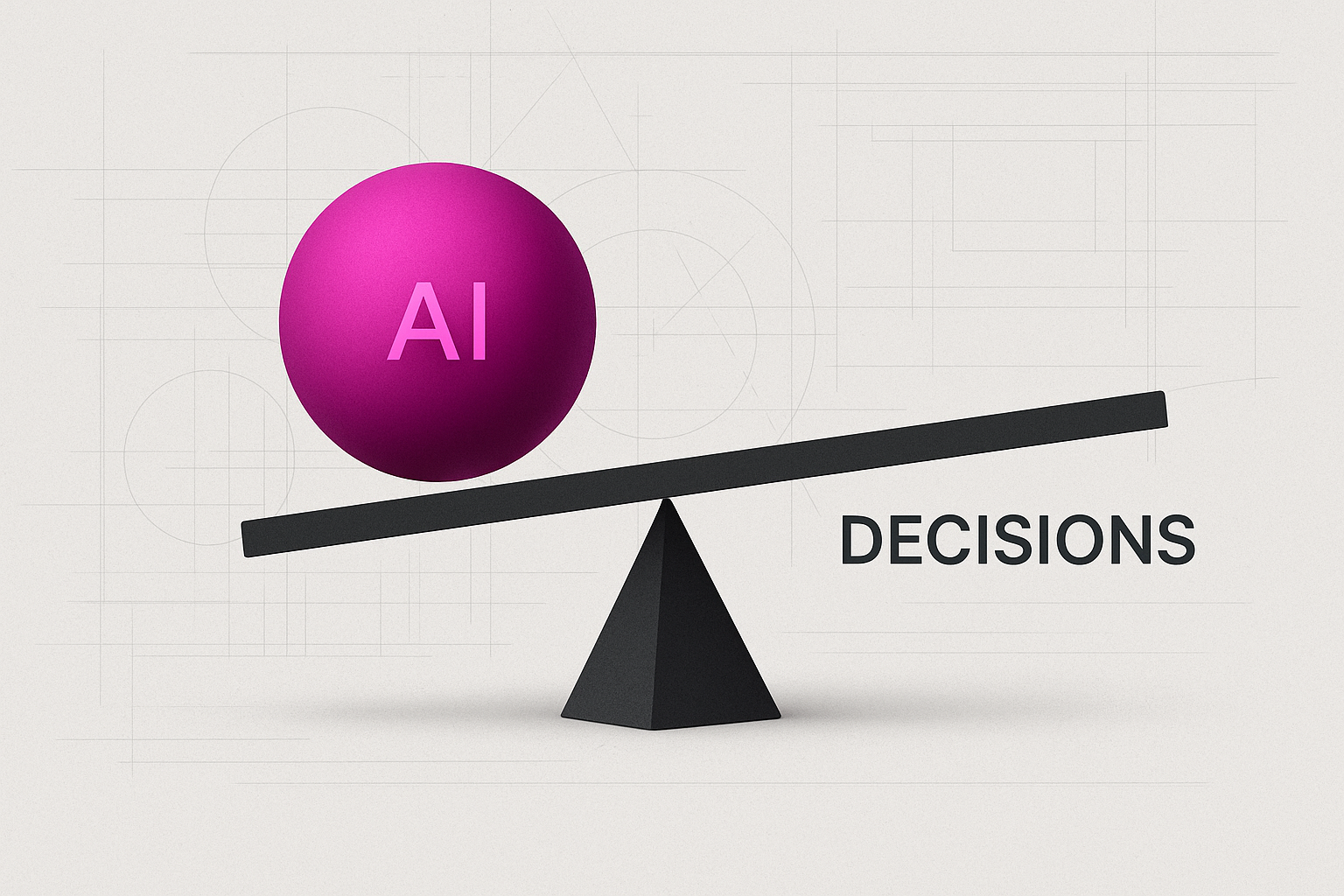
You Want AI Agents in Your Operation, but You Haven't Decided Who Decides What
Autonomous agents are multipliers: they amplify quality when the underlying rule is sound, and amplify error when it's vague or missing. The sequence that works is always the same — govern the decision first, then automate.
Read →
Why so many B2B sales AI projects blow the budget
Agentic AI projects in B2B cost far more than planned, and the model is rarely to blame. It is the boundary nobody drew between what is a rule and what is inference.
Read →
General marketplaces sell more and return less: the math distributors and manufacturers are already doing
General marketplace take rates rise every year: selling more through them means earning less per sale and losing the customer, the data and the price. The answer is your own digital ecosystem in parallell.
Read →
A Quote Is a Proposal Against Your Rules: Why Your Margin Already Leaked by the Time the Rep Names a Price
Every quote is an improvised negotiation against pricing rules nobody centralized. Margin doesn't leak at the close. It leaks at the quote, and no one adds up the bill.
Read →
When the customer doesn't know the supplier's full catalog
In B2B, the pain often isn't a lack of product, it's a lack of visibility. A catalog of thousands of SKUs in printed form shows only a fraction, and the customer buys within what they see, not what exists.
Read →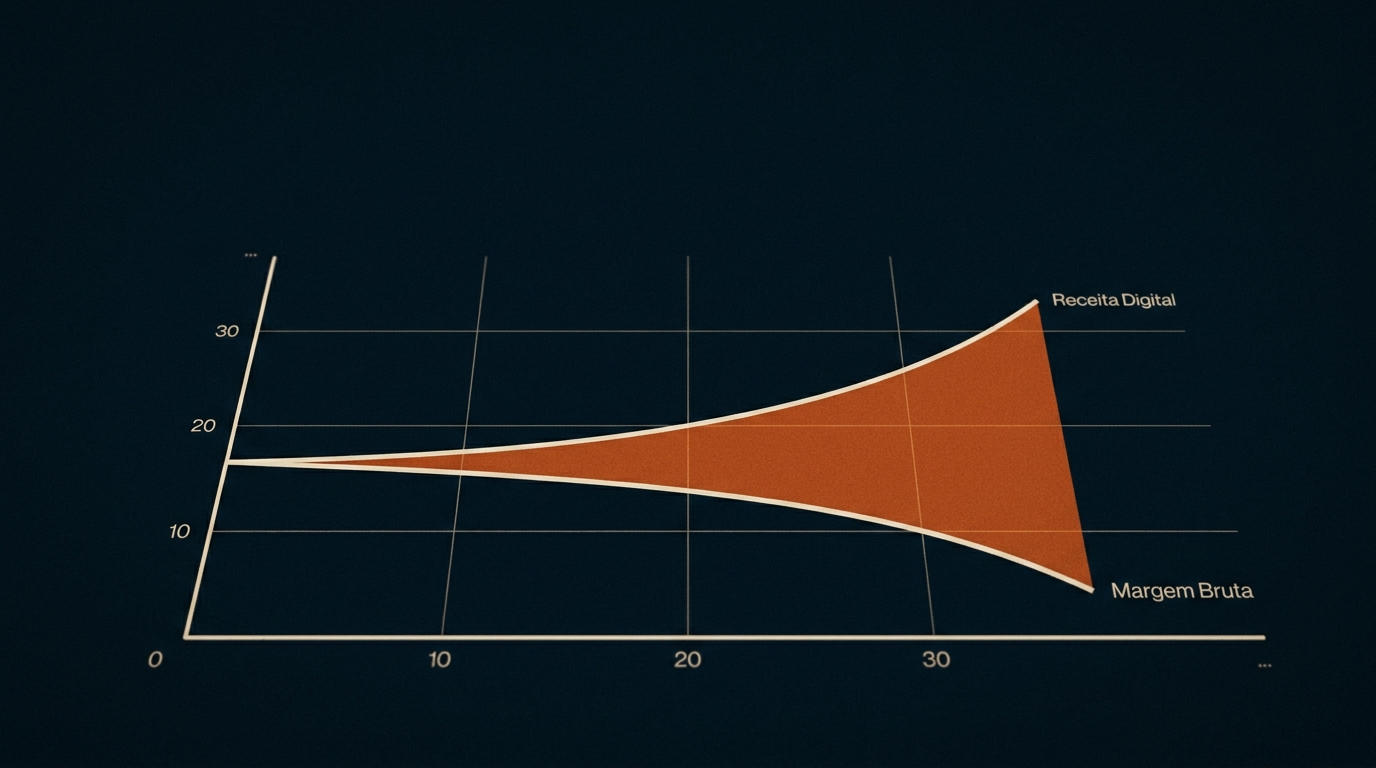
The Next Margin Frontier Is in the Decision
Allied's digital retail grew +39.2% while gross margin fell 4.9pp. Channel is a number; decision is still a promise. The next frontier is digitalizing the decision — price, credit, mix — under governance.
Read →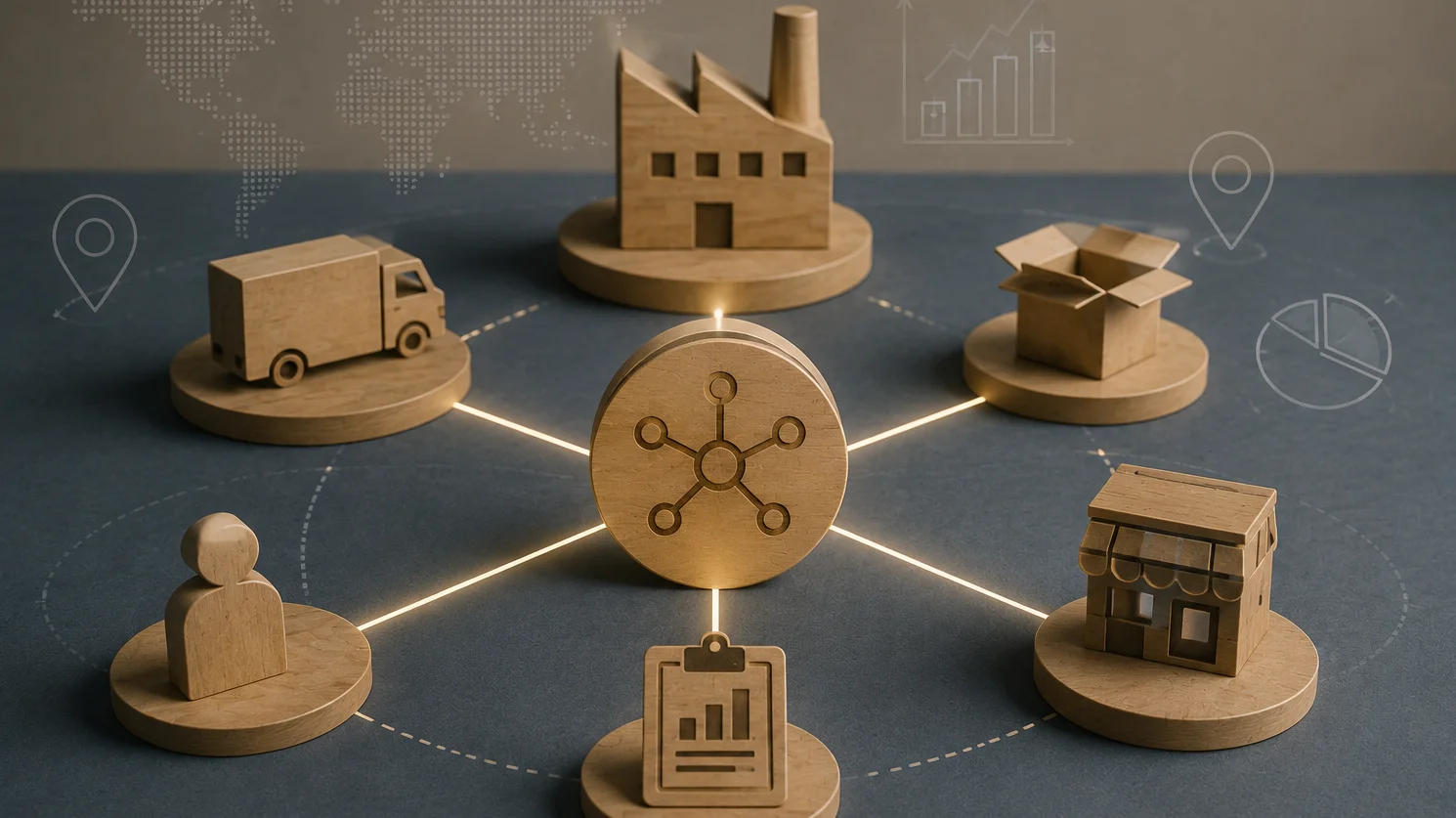
Connecting Suppliers and Dealers to Increase Supply Chain Efficiency and Distribution Visibility
How an industry connects partner suppliers and authorized dealers on a B2B platform to increase supply chain efficiency and generate distribution data visibility
Read →
The customer who costs too much to win — and why it isn't a marketing problem
The acquisition cost on your spreadsheet is half the bill. The other half — cost to serve — decides whether a whole segment can be won. What Tracbel saw over five years.
Read →
The B2B Customer Doesn't Leave All at Once — They Stop Coming Back
In B2B, losing a customer is almost never an event. It's a silent erosion: they buy less, then buy from someone else, then vanish — and rarely over price. They vanish from accumulated friction, one hard rebuy at a time.
Read →
When the Customer Already Knows What They Want, the Salesperson in the Middle Is Cost — Not Service
Not every order needs a salesperson. The recurring one — the customer who rebuys the same thing, on the same cycle, with no doubt — doesn't need to be served, it needs to be unblocked. Treating that rebuy as a new sale costs money and slows down someone who just wanted to buy again.
Read →
B2B Price Isn't a Number — It's a Calculation That Changes With Every Context
The same product, sold to two different customers on the same day, can have two correct prices. When the rule that decides which price applies lives scattered, the operation loses money on both ends: it undercharges and margin leaks, or it overcharges and loses the sale.
Read →
The Salesperson Closes the Sale — Then Calls the Branch to Ask If They Can Still Sell
When the information the salesperson holds was already born stale, every sale carries a phone call. It's not the team's lack of effort — it's an information friction that turns the moment of the sale into a moment of waiting.
Read →
The Catalog Isn't a Product List — It's What Price, Stock, and the Sale Rest On
When the catalog is ambiguous, the ambiguity doesn't stay in the catalog — it leaks into the price, the stock, the invoice, and the report the board uses to decide. Why the product record is the most invisible and most decisive layer of a B2B operation.
Read →
Growing Revenue Isn't Growing Margin — and Discount Is Where the Two Split
Selling more and earning more look like the same thing until you check the margin. When the discount policy lives scattered and ungoverned, every extra order may be carrying off a piece of profit no one sees leave.
Read →
When You Run on Several ERPs, Which One Is Right?
In an operation with several ERPs and brands, integration isn't wiring one system to another — it's deciding which is right when they disagree on price, stock, and credit. Why integration breaks before the technology enters the picture.
Read →
When the Manufacturer and the Channel Fight Over the Same Customer
The end customer calls the manufacturer directly, ready to buy — and selling to them is the trap that breaks the channel that built the business. With MTE-Thomson's operation, when going direct destroys more than it captures.
Read →
When Serving More Customers Demands More Salespeople — and Margin Doesn't Follow
Growing the customer base looks like guaranteed revenue — but if every new customer demands more of a salesperson's time, the cost of selling scales with it and profit doesn't keep up. With three years of Imdepa data, where the invisible ceiling of B2B growth sits.
Read →
Why a Small Order Costs More Than It Earns
Processing a R$ 400 order costs almost the same as a R$ 4,000 one: the effort is fixed per transaction. That's why the small customer costs more than it earns. With five years of Tracbel data, a read on when that math flips.
Read →
How an industry built a direct channel that protects its distribution
An industry's official online store that connects technical support and a brand-curated catalog to sales through distributors and retailers, guiding customers to the right part and the right partner.
Read →Explore by pain
Sales Costs
When Attracting Customers Costs Too Much
3My CAC rises every quarter and pipeline doesn't follow.
When the Catalog Becomes Chaos
6My portal shows wrong prices and the rep has to "validate the truth" by phone.
When Each Order Costs More Than the Last
12Each new customer costs more to serve than the previous one, with the same operation.
When Customers Buy Once and Vanish
3We win the customer but they buy once and disappear.
When Selling More Doesn't Mean Earning More
32Revenue grows and margin falls. We don't know where it's leaking.
Transformation Blockers
When Integration Breaks Everything
7Every new platform becomes an integration project that never ends.
When Channels Fight Each Other
5The sales team warns: "call me directly, I can get you a better deal outside the portal".
When Implementation Never Ends
7We bought the platform a year ago and it's still not really live.